

Decide what kind of mountain experience you want
The Simien Mountains can mean a short scenic outing, a stay with optional walks or a longer trek with consecutive days on foot. Those are different travel experiences, and choosing between them is the first useful planning decision. Start with the amount of time you want outdoors, your tolerance for repeated transfers and the sort of accommodation you need. Then discuss the route. Beginning with a famous summit or viewpoint and trying to force it into an unsuitable schedule can produce a trip that is uncomfortable before it has even started.
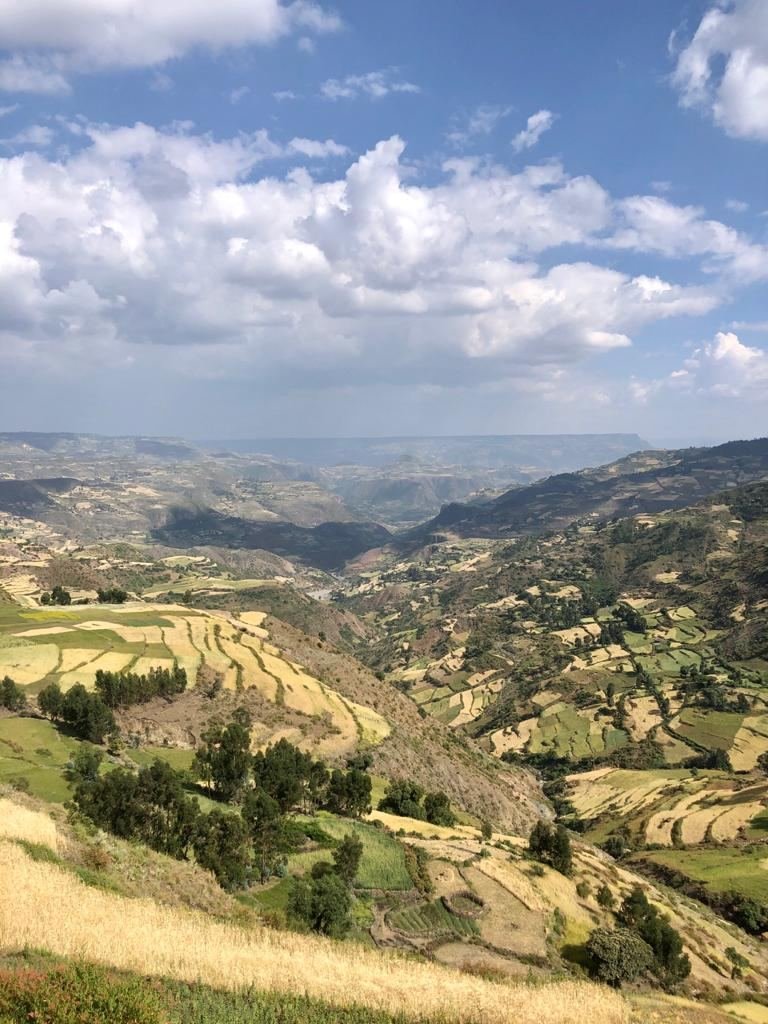
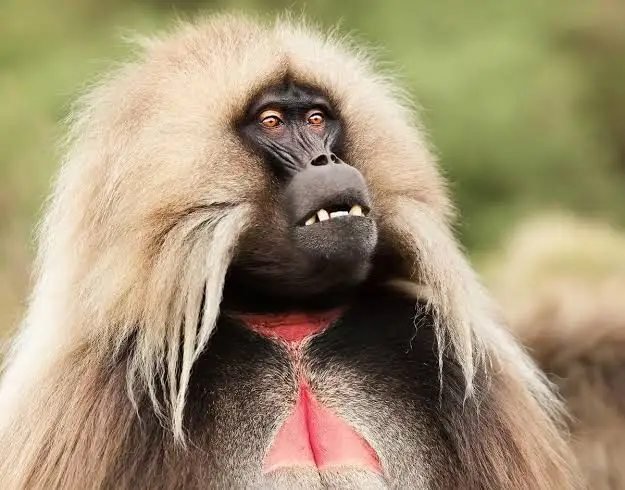
UNESCO recognizes Simien National Park for dramatic erosion-shaped scenery and its importance to wildlife, including Walia ibex, geladas and Ethiopian wolves. Cliffs, deeply cut valleys and high plateaus create the landscape’s strong visual contrasts. These are the concise factual foundations of this guide, drawn from UNESCO’s park description. They are not wildlife sighting promises. The animal you hope to see should influence discussion with a guide, but it should never justify crowding, chasing or disturbing it.
Current access comes before the itinerary
The Simien area is in Amhara, for which official travel advice consulted for this guide advises against travel. Ask about availability and a route assessment for your exact dates. Ask MUKA to assess the entire journey, including arrival in Gondar, road access, park permissions, local staffing and the return. A park mentioned in an established tour programme is not automatically accessible today. Review official advice relevant to you and clarify applicable insurance conditions before any commitment. Postponement must remain an available outcome of that assessment.
Scenic visit or walking trip?
For a scenic visit, ask how much time will be spent in a vehicle and how many stops are proposed. A viewpoint is only useful if you have enough time to get out, orient yourself and enjoy it without immediately boarding again. Ask which walks are optional and whether the vehicle can wait at an agreed point. For a walking trip, request the expected hours, ascent, descent, terrain and exit options for each day. A distance alone does not describe a mountain day, especially when the route crosses uneven ground or includes exposed sections.
A longer trek should be designed as a sequence, with the effort of one day considered alongside the next. Do not evaluate a challenging day in isolation if you will still have a substantial walk afterward. Ask how equipment moves, what you personally carry and where the group can change its plan. If the itinerary is only a few days long, it may be better to explore one area well than to add a distant goal that consumes most of the schedule in transfers and logistics.
Landscape watching without a summit objective
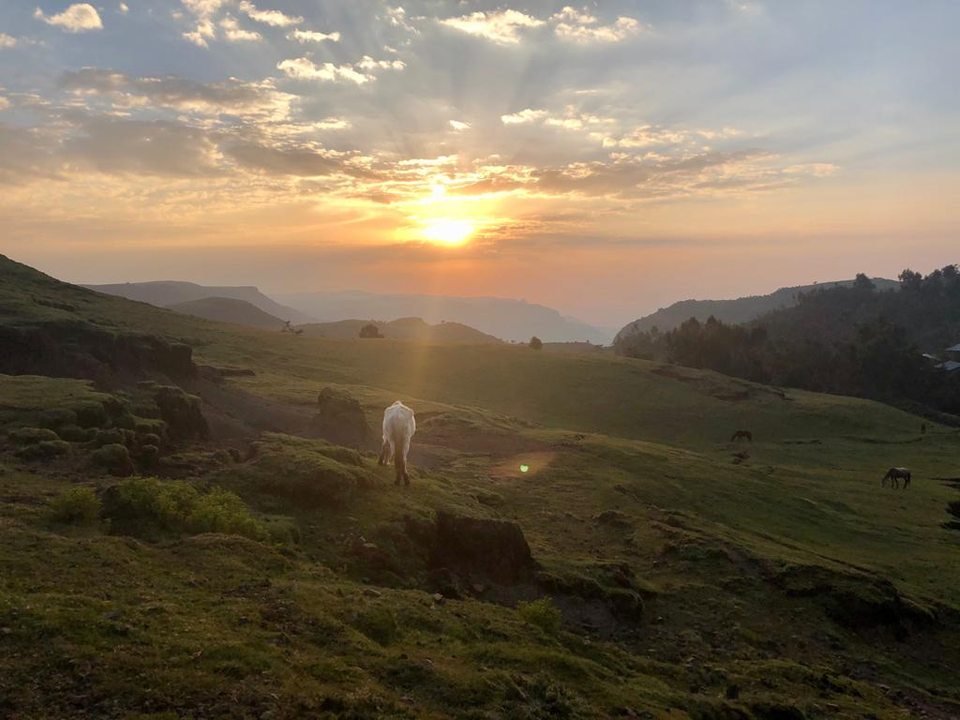
You do not need a summit to have a memorable landscape visit. Spend time learning to read the change between plateau, cliff and valley. Ask the guide to select an authorized stopping place with room for everyone, then watch how light and cloud alter the view. Binoculars can be useful even when no animal is immediately visible. If photography matters to you, discuss the time of day and the flexibility to wait for a brief clearing rather than treating every stop as a fixed five-minute appointment.
Stay well back from edges and follow the local guide’s instructions about ground stability and permitted routes. A dramatic photograph should not depend on stepping beyond a safe stopping point. When mist obscures a view, do not wander away from the group to search for another opening. Use the pause to look at closer detail or discuss the landscape. Weather is part of the mountain environment, and a well-designed visit has value even when the horizon is not continuously clear.
Wildlife observation with realistic expectations
Tell the guide whether wildlife is your main interest so that the pace can include patient observation. Keep food packed away, avoid feeding animals and give them room to move. Do not approach to provoke a reaction for a photograph. A quiet, stationary group often has a more rewarding experience than people repeatedly moving closer. If an animal changes its behavior because of your presence, follow the guide’s direction to create more distance. Sightings depend on conditions and animal movement; a responsible proposal will not guarantee a particular encounter.
Consider what you want to remember: feeding behavior, group relationships, the setting or a close portrait. That choice may help you observe more carefully with the equipment you already have. A moderate lens or binoculars can support respectful distance. Keep camera straps secure in windy conditions and avoid swapping equipment while standing near a drop. Travelers who are less interested in photography should still have space to watch without being asked to move repeatedly for someone else’s frame.
Suggested time and the Gondar connection
As an initial planning framework, discuss at least one full mountain day and a stay that avoids rushing immediately back to an onward flight. A four-day local-start itinerary can pair a Gondar heritage day with a mountain segment and a final return buffer. This is a proposed structure, subject to access and accommodation review. If you want substantial trekking, ask for a separate itinerary with enough days for the selected route. A brief scenic programme should not be relabeled a trek simply because it includes a short walk.
Transport and park arrangements
Gondar and Debark are the usual geographic reference points when discussing western access to the Simien area. The historical Trekking Guide to Simien Mountains National Park is useful background on route planning, but it is not a current operating manual. Ask MUKA to verify the applicable entry procedure, guide and scout requirements, fees and authorized routes directly with the relevant authorities. Do not rely on old cost tables or staffing rules found online.
The transport proposal should identify the vehicle arrangement, luggage allowance and the point at which walking begins. Ask whether the same vehicle remains available or whether another collection must be arranged. Clarify what happens if a route is shortened and where the group would rejoin transport. These details matter particularly for travelers who may choose not to walk every section. A flexible itinerary requires an actual plan for flexibility, not simply the statement that everything can be changed on the day.
Seasonality and weather choices
Historical trekking guidance identifies the main rains broadly with June to mid-September, but a seasonal pattern does not predict conditions on a particular day. Ask for current local advice about roads, visibility and walking surfaces. After wet weather, a short route may be less suitable than a longer but firmer alternative; after a dry spell, dust and sun may affect comfort. Avoid booking on the assumption that a published “best season” guarantees uninterrupted views. Leave room to adjust the order or length of outings.
Prepare for changing temperature and wind during the same day. Ask your guide what layers and waterproof protection suit the altitude and overnight arrangement. Keep frequently needed clothing accessible instead of packed beneath luggage. If you are camping, discuss the actual sleeping equipment, its condition and what personal items you need to bring. If staying in a room, do not assume that an indoor night removes the need for warm clothing during early or late outdoor activity.
Accommodation: choose the setting and the logistics
Discuss three broad possibilities: staying in Gondar and making a long outing, staying nearer the park access area, or using accommodation or camps appropriate to a longer route. Each changes the balance of driving, walking and comfort. Ask for named options only after feasibility is assessed. Confirm bathrooms, bedding, meals, charging arrangements and the practical route from your room to the vehicle. An attractive location may involve steps or rough paths; accessibility needs should be checked against the actual property, not a general accommodation category.
Physical demands and altitude planning
Describe recent walking experience in practical terms: consecutive hours on foot, comfort on steep descents, balance on loose ground and the weight you can carry. Ask for the planned elevations and a suitable pace. Discuss health or altitude concerns with a qualified clinician before committing to a mountain itinerary; this guide does not assess personal fitness to travel. Make sure the plan allows a traveler to stop or descend when necessary, and ask how help would be requested. Do not treat the desire to finish a route as more important than a change in someone’s condition.
Etiquette around communities and working landscapes
Respect homes, farmland and local movement around the wider mountain area. Ask before photographing individuals or entering a space that is not clearly public. Do not give children money or sweets in exchange for photographs. If a community encounter is proposed, ask who has agreed to it and how the visit benefits the hosts. A respectful interaction should be a meeting between people, not a scheduled display of someone else’s daily life. Stay on approved paths, carry out your litter and follow instructions concerning toilets and waste.
What to clarify in a quotation
Ask for a line-by-line description of transport, entrance arrangements, local staff, accommodation, meals and equipment. Establish what is proposed, what has been confirmed and what remains optional. If there are park charges that can change, ask how these will be communicated. Clarify whether a shorter walk changes any staffing or vehicle costs before treating it as a simple substitution. Keep a copy of the agreed route and emergency contact arrangement offline. The goal is a trip whose practical details support the experience rather than compete with it.
Frequently asked questions
Can I visit without doing a long trek?
A vehicle-supported scenic plan can be discussed, but request the exact route, stop arrangements and unavoidable walking. Limited time outdoors does not eliminate mountain conditions, and a suitable option depends on access and individual needs.
Will I definitely see geladas or Walia ibex?
No sighting should be guaranteed. Tell MUKA about your wildlife interests so that the guide can plan appropriate observation time, while keeping distance and animal welfare central to the visit.
Is a day trip from Gondar enough?
It may suit a focused scenic objective if current logistics permit, but compare the driving time with the time you will actually spend outside. Staying closer to the selected area may create a calmer experience. Ask for both structures before deciding.
Can children join?
Assess the specific route, exposure, weather, travel time and opportunities to stop. A family itinerary should be designed around the least comfortable participant and include an agreed alternative if the planned walk proves unsuitable.
Related MUKA journeys
The existing Historic Route, Simien Mountains and Danakil Adventure Tour provides a broader catalogue option. The four-day Gondar and Simien local-start itinerary is a shorter planning alternative with access, staffing, lodging and walking requirements confirmed for your dates.
Research sources
Reviewed by MUKA Ethiopia Tours · 15 October 2026.

