

Konso invites a different way of looking at a landscape. Rather than treating fields as the space between attractions, begin with the work that has shaped them. A well-explained visit can connect stonework, water, cultivation and community organization in a way that a photograph alone cannot. This guide is for travelers interested in understanding a working cultural landscape and planning a visit that gives its residents and local interpreters enough time to tell that story.
Location and the reason to visit
Konso lies in southern Ethiopia and can form a distinct stop on a journey linking Arba Minch with the wider south. The UNESCO-listed Konso Cultural Landscape brings together stone terraces, fortified settlements and continuing cultural practices. Its recognition concerns the relationship between environmental adaptation and community life, not an isolated monument. UNESCO's account explains that relationship.
For the visitor, this means the strongest itinerary pairs an overview of the terrain with a carefully chosen settlement visit. Seeing only a viewpoint can leave the landscape unexplained; entering a settlement without first understanding the terrain can make the architecture seem disconnected from its surroundings. Ask MUKA for a guide who can connect these scales rather than simply recite dates or names.
Read the terraces as working infrastructure
Look across a hillside before looking for a close photograph. Where do paths run? How does cultivated ground relate to a settlement? Which walls appear newly maintained? The questions are useful even when your guide needs to consult a resident for the answer. The UNESCO description identifies soil retention, water management and cultivation as key functions of the terraces; beyond that basic context, let the particular place and its users lead the explanation.
Stay on an agreed path. A wall that appears convenient for a viewpoint may be a maintained structure supporting a field, not a visitor platform. Do not climb it or move stones. Avoid stepping into crops for a better composition. If agricultural work is taking place, ask whether observing is welcome and stand where you will not delay it. A brief conversation with permission can be more informative than a long stop that interrupts a task.
Settlement visits with a local host
Arrange a visit to a settlement that welcomes guests and agree the route with a local representative. A recognized visitor path does not make every doorway or side passage public. Follow the host's guidance about where to stand, which spaces are private and when a discussion should move aside to let residents pass. Smaller groups are often easier to accommodate without dominating a confined area.
Ask questions about the uses of spaces rather than assuming their meanings. A communal area, a domestic courtyard and a ritual location may have very different rules. Some explanations may be appropriate for visitors while others remain private. A guide who says that a particular subject is not available for discussion is respecting a boundary, not necessarily providing a poor service. Leave room in the itinerary for the conversation to develop at the host's pace.
Wooden memorials and cultural interpretation
Wooden memorial sculpture is among the elements associated with Konso's heritage. It deserves explanation and respectful distance. Do not touch, lean against or pose playfully with a memorial. Ask whether photography is appropriate in that particular setting, even if similar objects appear in published travel photographs. A museum display and a significant object in its original setting can require different behavior.
Request a distinction between historic examples, contemporary practice and items made for sale. That distinction protects against treating every carved object as an interchangeable souvenir. Never buy something represented as an old funerary object without lawful provenance and relevant export guidance. If interested in woodworking, an invited craft demonstration or newly made work can provide a more transparent exchange. The visit should explain the maker's skill without encouraging removal of heritage objects.

How to pace a visit
Allow a half day or more for a focused introduction, including travel between the selected stops and time to meet the local guide. A longer stay makes sense for travelers with a strong interest in agriculture, architecture or photography, provided suitable visits are actually arranged. Counting the transfer into Konso as a full day of cultural exploration gives a misleading picture of the experience.
A useful sequence is a landscape overview, a hosted settlement visit and time afterward to discuss what you have seen. Keep a pause between demanding walks. If arriving after a long drive, it may be better to visit the next morning than to hurry through the most important stop before dark. Ask for an honest estimate of walking time and surface, together with a shorter alternative if the full route is unsuitable.
Getting to Konso and onward travel
Route planning often connects Konso with Arba Minch and other southern destinations, but present access and driving conditions must be checked for the actual travel dates. A road distance alone does not describe the day. Loading, stops, local arrangements and slower sections all matter. Ask MUKA to identify the overnight base and explain why it makes sense for the next day's visit.
A local-start itinerary should name its actual starting town. Our four-day Arba Minch and Konso itinerary starts and finishes at an agreed hotel in Arba Minch. It does not imply an included transfer from Addis Ababa or a continuation to Jinka. Those connections can be discussed separately, with enough days allocated. If joining a longer tour mid-route, obtain a clear handover point and responsibility for each transfer.
Where to stay
An overnight in the Konso area can make a slower visit easier, while staying in Arba Minch changes the balance toward more travel. Neither choice is automatically superior. Consider how much time you want with a local guide, whether a hotel change creates difficulty and what accommodation is actually available. Ask for the property's location relative to the planned visits rather than relying on the destination name in its marketing.
Check bathroom arrangement, hot water, electricity, bedding, meals and walking access from the vehicle. Travelers with mobility needs should ask about steps, handrails and distances, not only whether a room is on the ground floor. If food restrictions are important, discuss ingredients and preparation before arrival. A simple accommodation choice can work well when its facilities are described clearly and match your needs.
Seasonality and the working landscape
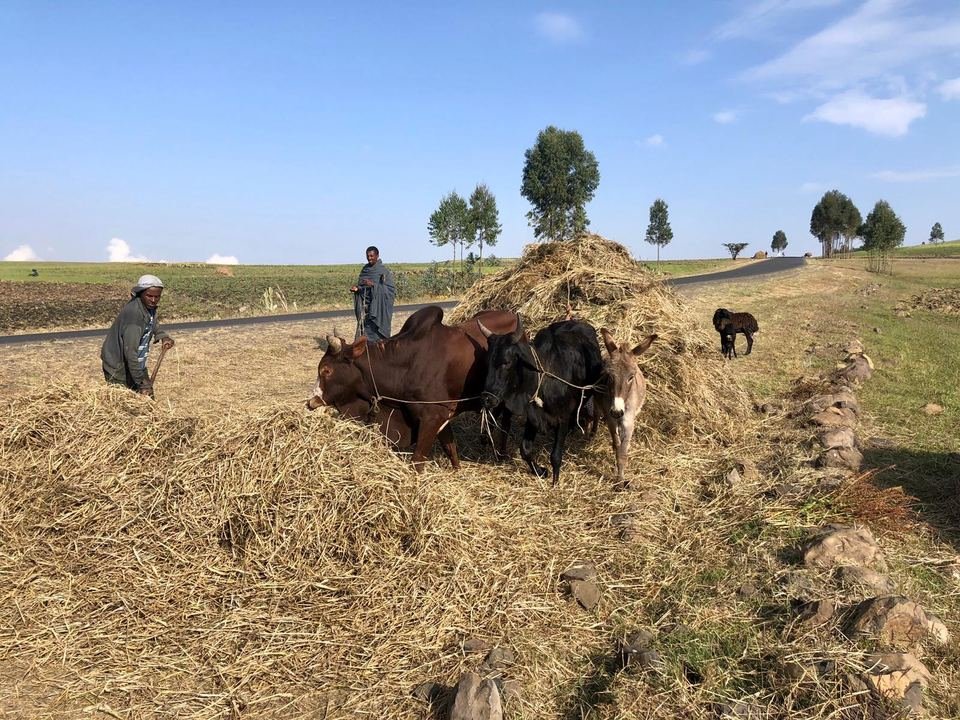
Ask how the season is likely to affect the selected routes, farming activity and comfort outdoors. A landscape's appearance changes with weather and cultivation; a photograph from another month may not represent the scene you encounter. Avoid choosing dates solely for an imagined harvest or ceremony unless the relevant hosts confirm the timing and welcome visitors. Human schedules deserve the same attention as a forecast.
Bring footwear with grip, a sun hat and a light layer for variable conditions. Rain can make stone and earth surfaces slippery, while heat can increase the effort of a short slope. An earlier visit may offer more comfortable walking, but arrival times should also respect host availability. Build a day around both considerations rather than assuming visitors should always arrive at the most photographically attractive hour.
Accessibility and physical demands
Uneven ground, narrow passages, steps and sloping paths can affect a settlement visit. Ask for the intended route in practical detail. Can the vehicle approach closely? Is there a place to sit? Can a shorter route retain meaningful interpretation? A general statement that a tour is easy is not enough for someone using a walking aid or managing fatigue.
If a route cannot be adapted safely, a landscape discussion and a hosted meeting in a more accessible place may be an alternative, but it should be arranged openly rather than promised in advance. Travelers should be able to decline a difficult section without pressure. Children may engage well with questions about building and cultivation, but they need supervision around walls, livestock and working areas; these are not playgrounds.
Photography, buying and everyday etiquette
Ask separately before photographing a person, a house interior or a culturally significant object. Agreement from one host does not cover everyone in the settlement. Explain if images are intended for anything beyond personal memories. If someone prefers not to appear, change the frame or put the camera away. The same respect applies when using a phone, which can feel less conspicuous but still records an identifiable person.
Clarify host and guide fees through MUKA so that residents are not left negotiating after a visit. Buy locally made goods because you value them, and avoid demanding lengthy demonstrations without recognizing the person's time. Do not distribute gifts to children along the route. If you wish to contribute to a community project, ask who has requested support, how it is managed and whether a purchase or agreed visit fee is a more appropriate form of participation.
Connect Konso with a wider southern journey
Konso can complement the lakes and highlands around Arba Minch without being treated as a hurried stop on the way to somewhere else. The environments and cultural contexts differ, so give each its own local interpretation. A combined visit can focus on how people build, farm and work with contrasting landscapes. Avoid presenting the various communities of the south as a single culture.
For a longer itinerary, compare the eight-day South Ethiopia tour and the sixteen-day north and south tour. Read their actual content before assuming Konso is included on a particular departure or customization. A new short option is the four-day Arba Minch and Konso local journey, with arrangements tailored to your travel dates.
Frequently asked questions
Is Konso mainly a viewpoint stop?
No. The landscape is most rewarding with explanation of its working and social context. A viewpoint can introduce the setting, but a hosted visit and time for questions make a more complete introduction.
Can I enter any settlement independently?
Do not assume so. Ask MUKA to arrange an appropriate local host and explain permissions. Public access to a road does not create an invitation into homes, private passages or significant communal spaces.
Should I stay overnight?
Consider it if you want a slower visit or if onward travel makes a return drive inefficient. Ask for both an overnight and a day-visit version, with realistic driving and walking time, before choosing.
What should I ask MUKA to confirm?
Request current route access, the settlement proposed, the local guiding arrangement, expected walking surfaces, accommodation details and how fees and photography consent will work. Share your main interests so the visit can be designed around understanding rather than simply collecting stops.
Research sources
Reviewed by MUKA Ethiopia Tours · 15 October 2026.

