

Give Gondar a day of its own
Gondar is often considered alongside a journey into the Simien Mountains, but its city sights need their own time. The most useful approach is to separate the heritage visit from the mountain transfer, then connect them in a realistic itinerary. Arriving from a long journey, rushing through the royal enclosure and leaving again can turn distinctive architecture into an indistinct series of stone walls. A full day with thoughtful pauses gives you a better chance to understand the buildings, notice their differences and enjoy an ordinary meal in the city.
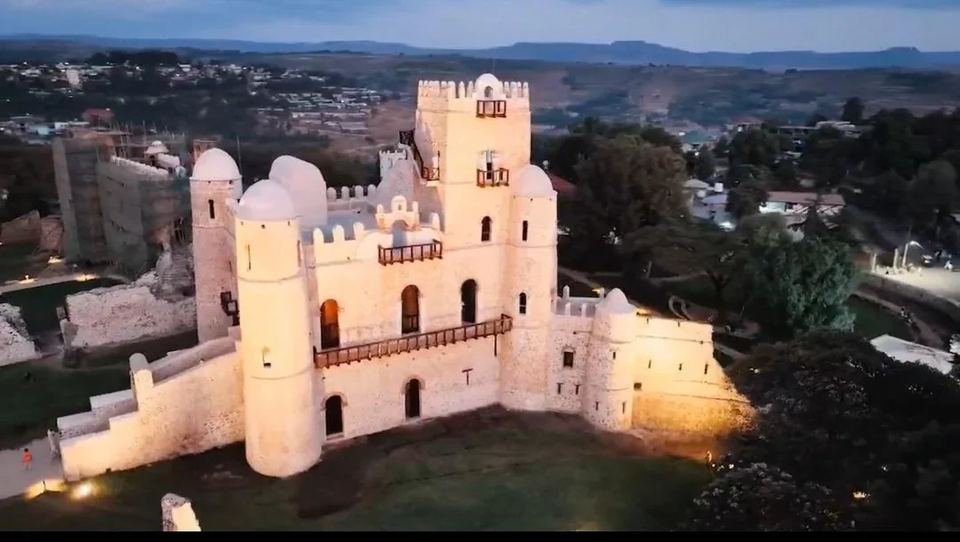
Gondar lies in Ethiopia’s Amhara region, north of Lake Tana. Fasilides established a permanent capital here in 1636. UNESCO’s Fasil Ghebbi property extends beyond the main royal compound to other components in and around Gondar, including the Bath of Fasilidas and religious sites. Its architecture reflects encounters between Ethiopian traditions and outside influences. UNESCO’s property description supports this short historical orientation. For the traveler, the practical lesson is that one entrance does not represent the whole heritage landscape.
A planning with a clear access gate
This guide does not establish that a Gondar journey is operating. The travel advice consulted for this advises against travel to Amhara. Before considering bookings, ask MUKA for a fresh assessment of the city, arrival route, proposed excursions and return arrangements. Read your own government’s advice and check applicable insurance conditions independently. An airport serving a city in the past, a restored building or a hotel listing does not establish present feasibility. A responsible proposal may need to be postponed until the necessary conditions are met.
How to visit the royal enclosure
At Fasil Ghebbi, begin by asking your guide to locate the principal buildings and explain how the compound developed. That first overview helps you recognize relationships rather than processing every structure as a separate name. Compare proportions, window shapes and the way a building addresses a courtyard. Ask which parts retain original material and which have been conserved or reconstructed. You do not need architectural training to notice differences, and your questions can give the visit a personal direction. Stay on authorized routes and respect any conservation barriers.
Leave room for a second look after the historical explanation. If a façade particularly interests you, spend several minutes observing how shadow reveals its depth rather than immediately moving toward the next viewpoint. A sketch, a written note or one carefully framed photograph may preserve more of the experience than a rapid sequence of images. Avoid staging photographs on fragile surfaces, and ask before using a tripod where it could obstruct other visitors. The buildings are the subject; no photograph requires taking a risk with them.
Church art and a different pace
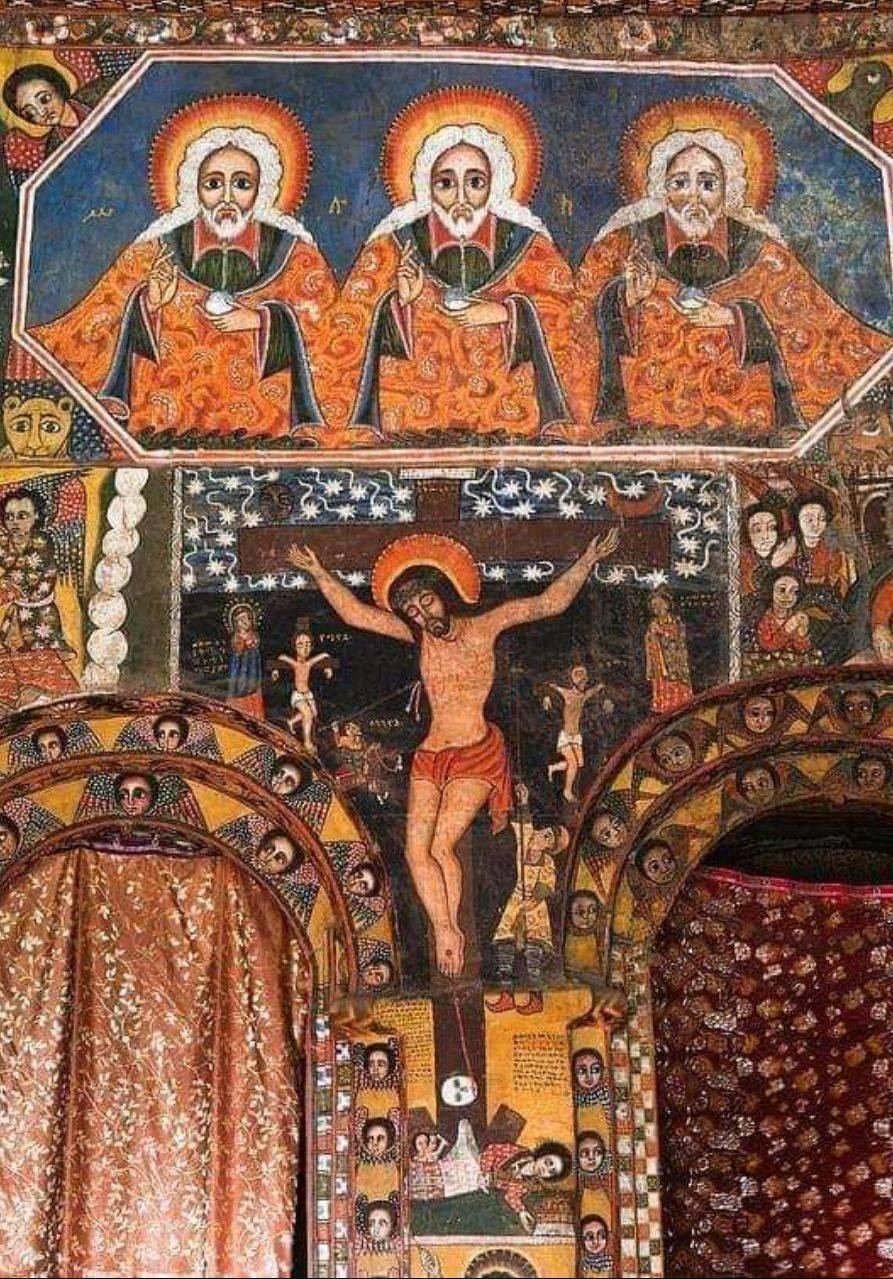
Debre Berhan Selassie is known for its painted interior, and the official tourism overview identifies it as a central part of Gondar’s visitor experience. The city is also associated with Timkat observances at Fasil’s pool. This orientation comes from Visit Ethiopia’s Gondar page, which should be treated as background rather than a current timetable. Opening arrangements, permitted photography and the form of any festival visit need direct confirmation. Enter a church prepared to listen to the instructions of its custodians.
Church interiors invite a different kind of attention from a palace exterior. Give your eyes time to adjust and ask the guide to explain a few selected images rather than attempting to identify everything at once. Stand where the explanation will not interfere with worshippers or block movement. If photography is not allowed, accept the restriction and concentrate on observation. You can write down the subjects discussed afterward. A useful visit leaves you with an understanding of how the art functions in its religious setting, not simply a catalogue of pictures.
Fasil’s bath and other possible additions
Discuss Fasil’s bath as a separate stop with its own transport and access arrangements. Ask what can be seen on the date and how the visit relates to the main enclosure. Do not assume that water levels, ceremony or crowds will match a photograph taken at another time of year. If you want to add Qusquam or another component of the wider heritage area, explain what interests you and ask whether the extra travel improves the day. A longer list is not automatically a richer itinerary.
Suggested stay and daily rhythm
Two nights is a useful starting suggestion for a city-focused visit: arrive and settle, spend a full day on heritage, then leave without compressing the main sights around a departure. The actual plan depends on transport and access. Travelers combining Gondar with the Simien Mountains may prefer another night in or near the mountain area, with the final evening back in Gondar before an onward connection. That sequence is a proposed pacing choice, not a statement that rooms, roads or flights are available.
A balanced city day can contain a substantial morning visit, a seated lunch and one or two shorter afternoon stops. Keep the first session focused enough that people still have attention for the church art later. If traveling with different interests, agree in advance where the group can take a break. A photographer may want a slower exterior session while another traveler prefers a deeper historical discussion; a private schedule can often accommodate both if those preferences are stated before guiding and transport are arranged.
Getting there and moving around
Ask for a proposal that identifies the exact meeting point, whether that is Gondar Airport, a named hotel or an agreed city location. Current air services and airport transfers must be verified for the intended date. Overland plans need an explicit route assessment rather than a generic distance estimate. If you are coming from Bahir Dar or continuing toward the Simien Mountains, ask how road conditions, administrative requirements and daylight affect the schedule. Allow a change of plan if the approved arrangements cease to be suitable.
Within Gondar, distinguish between driving to an attraction and access through it. A convenient drop-off does not guarantee a level path, an accessible interior or a nearby place to sit. Ask for a written description if you have particular mobility needs. Keep the agreed meeting point clear when a visit ends, especially around a festival or a busy religious site. A short transfer can become stressful when travelers and driver are waiting at different exits without a reliable way to communicate.
Seasonality and Timkat planning
Choose whether you want a general heritage visit or a trip shaped around Timkat. The latter requires a separate conversation about the verified festival dates, viewing positions, crowds, walking and suitable behavior. It should not be sold as the same city tour with a ceremony inserted into a spare hour. Ask how early the group would need to leave, how long you may be standing, where toilets and rest opportunities are, and how anyone uncomfortable in a crowd could withdraw. Respect religious priorities over a preferred camera angle.
For an ordinary visit, ask about weather in relation to the planned activities rather than relying on a single “best month.” Rain may affect outdoor comfort and footing; strong sun may make a midday courtyard tiring. Pack a layer and compact weather protection, and plan the longest outdoor section when conditions are suitable. If the itinerary continues into the mountains, prepare separately for that environment. Clothing comfortable for city sightseeing may not provide enough protection during a cold, windy mountain stop.
Where to stay
A central accommodation can make a city-based visit simpler, while a property selected for its setting may create more transfers. Ask MUKA to compare actual locations against your schedule. Consider whether you want to return between morning and afternoon visits and whether meals will be available where you stay. Check the room’s stairs, bathroom layout and access from the vehicle, rather than assuming that a category such as “comfortable” answers those questions. No particular property is promised here, and every named arrangement needs confirmation in the eventual quotation.
Accessibility and physical demands
Historic places are not uniform environments. Explain how far you can comfortably walk, whether you need regular seating and whether uneven stone, steps or dim interiors cause difficulty. Ask which buildings can be appreciated from outside if entering them is impractical. A shorter route with a good explanation may be more satisfying than an exhausting attempt to see everything. Keep anyone waiting outside included in the guide’s interpretation, and plan a suitable resting place. For children, a few clear comparisons between buildings can work better than a long uninterrupted historical lecture.
Etiquette, photography and local encounters
Dress respectfully for religious visits and ask about shoe removal, head coverings and photography at the point of entry. Do not assume rules are identical at every site. Ask individuals before taking portraits, and do not photograph private activity simply because it occurs near an attraction. When buying crafts, take time to learn what an item is and agree the price courteously. Avoid descriptions of the city that reduce its residents to a picturesque historical scene; Gondar is also a contemporary place where people work, study and worship.

Food, rest and practical preparation
Tell MUKA about dietary restrictions when the day is planned, including whether an ingredient must be excluded entirely. Allow enough time for lunch to serve as a genuine break. Bring the water and personal items you need without carrying a bag so large that it becomes awkward in a church or vehicle. Keep contact details and the day’s meeting points available offline. Ask which entrance charges are included in the proposal and how any optional stop would be handled, so that changing the plan does not create an unexpected disagreement at a ticket office.
Frequently asked questions
Is Gondar only a stop on the way to the Simien Mountains?
It can be a rewarding city destination by itself. If royal architecture, church painting or Ethiopian history interests you, allocate a full visiting day and choose mountain time separately. Combining both works best when neither is treated as spare time left after a transfer.
Can all the principal sights fit into a half day?
A focused half day can be discussed if you choose priorities. It should not promise the same depth as a full day. Establish whether the available time includes collection from the airport, lunch or an onward transfer, then decide what to omit.
Does a Timkat visit include participation in religious rites?
Do not assume so. A responsible visitor plan should explain observation, access and conduct in advance, respecting the decisions of religious custodians. No ceremonial access is guaranteed by this .
Can I combine city sightseeing with an easy mountain visit?
Ask about a vehicle-supported Simien proposal with optional short walks, then request the actual altitude, walking surface and stopping arrangements. “Easy” must be defined for the individual traveler; a brief walk can still be demanding in mountain conditions.
Related MUKA journeys
Explore the existing Historic Route, Simien Mountains and Danakil Adventure Tour for wider catalogue context. The four-day Gondar and Simien local-start itinerary gives the city and mountain landscape separate days. Ask our team about the route and availability for your dates.
Research sources
Reviewed by MUKA Ethiopia Tours · 15 October 2026.
