

First understand the scale of the journey
The Danakil Depression is a region, not a single attraction with one entrance and a predictable visiting time. A proposed journey may combine salt landscapes, the Dallol area and Erta Ale, with substantial driving between them. Those names describe different environments and different demands. Decide which experiences matter most before comparing programmes. A short itinerary with many place names can conceal long transfers, limited rest and little room for weather or access changes.
This destination requires current operational review. It should never be presented as an easy add-on simply because photographs are compelling or an old route is familiar. At the research check on 13 October 2026, government advice included significant regional restrictions, with Australia advising against travel to Afar. Advice differs by issuing country and can change quickly. MUKA must assess the actual intended route, current conditions and available support before discussing a confirmed departure.
Three names, three different experiences
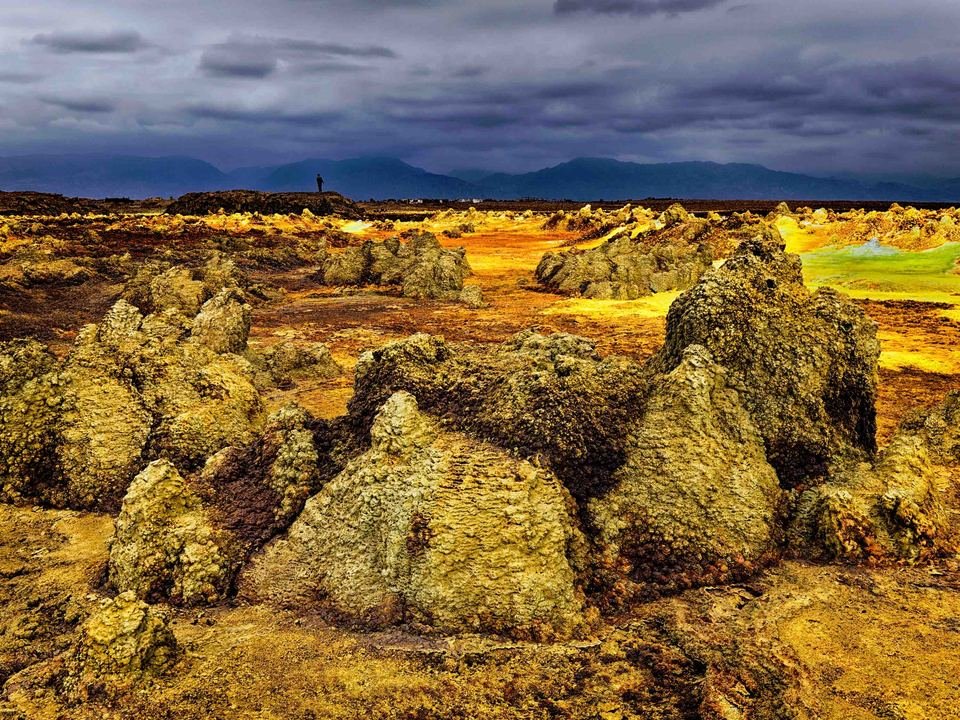
Dallol is associated with hot brines and hydrothermal formations in a below-sea-level setting. Smithsonian’s geological record describes explosion-crater activity and a landscape shaped by active processes. The colours and forms in photographs can make it look like an open-air art installation, but it is a fragile and potentially hazardous environment. A visitor route must be chosen through current local assessment, and a striking pool or crust should never be approached on the assumption that it is stable.
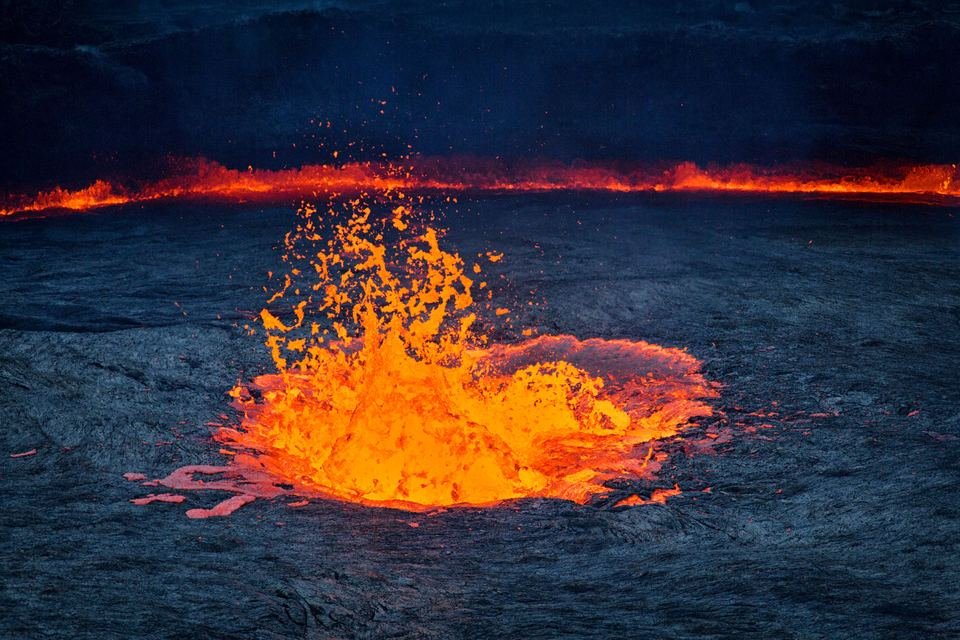
Erta Ale is a shield volcano with a long recorded history of changing volcanic activity. An older photograph of an exposed lava lake does not show what will be visible during a future visit. The view may be affected by activity, gas, weather, permitted positions and the condition of approach routes. Treat seeing the volcano as a conditional geological experience, not a guaranteed encounter with a particular scene. No itinerary should promise a close approach to molten lava.
Salt plains and surrounding settlements offer another perspective. Their interest includes scale, light, work and the relationship between people and a demanding environment. If an encounter with salt workers is proposed, it should be arranged respectfully and should not interfere with work. Ask before making portraits and agree any photography arrangements through the guide. The people who live and work here are not an extension of the scenery and should never be described as an attraction to be collected.
Start points are an operational decision
Semera and Mekelle appear in descriptions of different Danakil routes, but they are not interchangeable gateways that can be selected from an old map. Flight operations, regional conditions and road access need separate confirmation. A proposed start city should be named explicitly, along with the first overnight location and the final handover point. If the approach changes, driving time, cost and the whole sequence may change as well.
Ask MUKA to distinguish the journey to the region from the expedition within it. Does the proposal start at a city hotel, at an airport after a domestic arrival, or at an agreed meeting point? Is the final transfer included? What happens if the arrival flight changes? A clear answer prevents the assumption that every transfer is covered by the phrase Danakil tour. International connections should allow a realistic buffer after a remote journey.
How to read a proposed itinerary
Read each day in terms of driving, walking, exposure and rest rather than attraction count. A plan should identify where drinking water, meals and overnight facilities are expected, while making clear which details remain subject to field confirmation. Ask whether the same staff and vehicle remain with you throughout. Find out when the next substantial rest period occurs after an early start or evening outing. Several short nights can make a compact programme much more demanding than its duration suggests.
A useful proposal also explains the conditions under which an activity will be omitted. A restricted viewpoint, unsuitable gas conditions or a deteriorating route should trigger a change without pressure to complete the published list. Agree in advance how substitutions and unused services are handled commercially. Travellers should understand the decision process before setting out, rather than discovering at a remote stop that everyone has a different expectation of what must be delivered.
Heat, exposure and personal suitability
Heat is a defining consideration in low-lying parts of this region, but a single average temperature does not describe the exposure of a particular trip. Time of day, shade, wind, vehicle comfort and the amount of walking all matter. Ask about the planned daily rhythm and opportunities to rest out of direct sun. Carrying water is essential, but it does not remove the need to control exposure and reconsider an outing when conditions are unsuitable.
Discuss individual suitability before booking, particularly if anyone has a condition affected by heat, exertion or air quality. Seek advice from an appropriate health professional for personal medical questions; an itinerary writer cannot clear someone for a remote volcanic excursion. Provide the operator with practical needs without sharing unnecessary private details. If the facilities cannot meet those needs, consider a different destination rather than relying on improvisation after departure.
Walking and volcanic terrain
The physical effort of an Erta Ale visit depends on the current approach and permitted viewing route. Avoid relying on a fixed walking distance copied from an older account. Ask for the latest description of the surface, gradient, duration, expected light conditions and return route. A short walk over broken lava can require more concentration than a much longer walk on a smooth path. Comfortable urban walking is not automatically a reliable comparison.
Protective decisions must be made by competent people with current information about the location. A mask, scarf or consumer gadget should not be portrayed as making hazardous gas exposure acceptable. Stay with the assessed route and follow instructions to retreat or abandon a viewpoint. Photography should never drive a decision to stand nearer an edge, cross a barrier or remain in an area after the guide has asked the group to leave.
Vehicles, crew and contingency arrangements
Ask for the intended vehicle configuration, passenger capacity and luggage allowance in practical terms. The suitability of the vehicle depends on the route and current conditions; a familiar model name is not a substitute for maintenance, driver experience and recovery planning. Clarify whether the proposal includes a dedicated driver, guide and any locally required personnel. The guide’s interpretation role and the driver’s responsibility should both have enough time and rest built into the programme.
A remote-travel briefing should explain communications, emergency contacts and the procedure if a vehicle or route becomes unavailable. Do not infer reliable mobile coverage from coverage in the gateway city. Ask where the group is expected to be contactable and how relatives can obtain an update if routine messages are delayed. Contingency planning is part of making the journey concrete, and it should be reviewed against the specific dates rather than supplied as a generic reassurance.
Overnight arrangements and comfort
Overnights can be a decisive factor in whether this journey suits you. The word camp can describe very different arrangements. Ask what sleeping equipment is supplied, whether bedding is individual, what shelter is available and what the washroom arrangements actually are. Confirm the expected opportunities for washing, charging equipment and changing clothes. Photographs of one previous trip should be labelled accurately and should not be taken as proof that identical facilities will be available.
Pack to the agreed arrangement, with a manageable bag and a separate small kit for items needed during transfers. Protect electronics from dust, carry only equipment you can supervise and ask how charging will work before depending on it. If a comfortable hotel is essential every night, state that requirement at the outset. A revised route may meet it, or the destination may not fit the trip you want to make.
Seasonality and photographic expectations
Travel discussions often focus on cooler periods, but the calendar alone cannot establish feasibility. Current access, weather and volcanic conditions remain controlling factors. Ask for a date-specific explanation rather than a promise based on a broad season. Be cautious about building a journey around a single sunrise, sunset or visible-lava photograph: movement restrictions, weather and operational needs may place the group elsewhere at that time.
For photographers, the useful questions concern permitted positions, time at each assessed stop, dust protection and the effect of carrying equipment on walking. A tripod or drone requires separate consideration; ownership of the equipment does not imply permission to use it. Request any necessary authorisations through the correct process, and accept a refusal. The strongest travel record may include the wider landscape and the journey itself rather than an imitation of a famous image.
Respecting Afar communities and the landscape
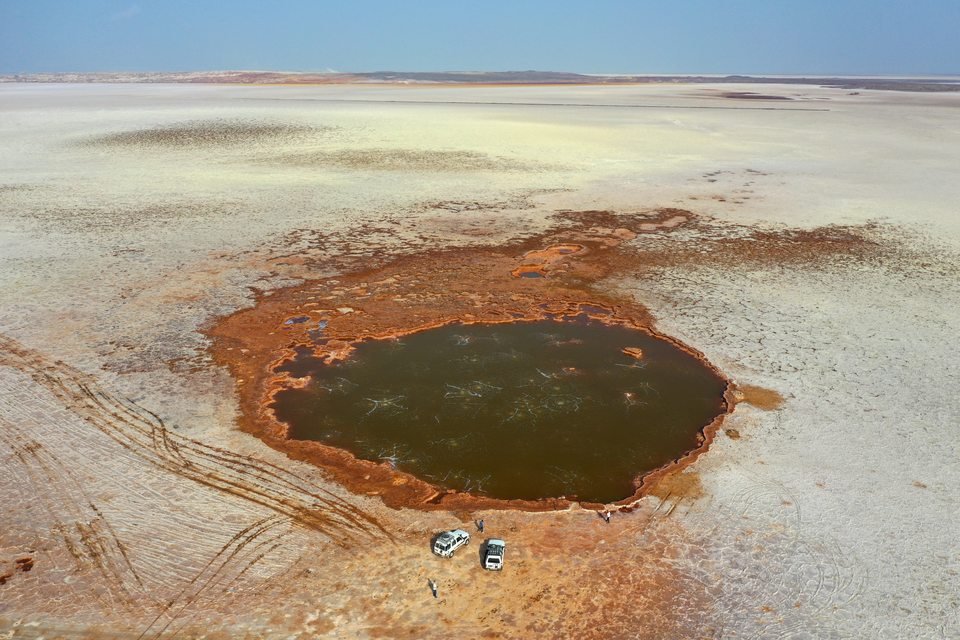
Ask your guide for context about the communities along the route and for help with greetings and photography consent. Support agreed local services without treating interaction as a staged encounter. Dress and behaviour should respect the setting, especially at settlements and shared facilities. Avoid distributing items or money in a way that creates competition around vehicles. If you wish to contribute to a local initiative, ask for an accountable arrangement that can be considered separately from the excursion.
Leave geological material where it is. Taking salt, mineral crusts or rocks as souvenirs damages the place and can encourage others to do the same. Stay on the permitted route, carry out personal waste and minimise avoidable packaging where the supply arrangements allow. These choices also make a more attentive visit: looking closely at a formation in place tells more about the landscape than removing a fragment from its context.
Frequently asked questions and the next planning step
Is visible lava guaranteed? No. Is Dallol always included? No; access and local assessment determine whether it belongs in an actual programme. Can Danakil be booked as a casual day excursion from Addis Ababa? The distances and operational requirements make that an inappropriate default assumption. Does a guide guarantee safety? No; competent planning reduces avoidable exposure but cannot turn a changing remote environment into a predictable attraction.
How should I enquire? Give MUKA your possible dates, gateway flexibility, available days, walking experience, comfort requirements and the specific geological interests that motivate the trip. Use the existing Danakil Depression tour as the starting reference rather than creating a duplicate product. Ask for the route and conditions to be reviewed before flights or other commitments are made. This guide supports that discussion; it does not claim that any particular departure, view, campsite or road is currently available.
Research sources
Reviewed by MUKA Ethiopia Tours · 15 October 2026.


