

Why give Addis Ababa time?
Addis Ababa rewards a different rhythm from the countryside. It is a place to ask questions, put names to historical periods and notice how contemporary Ethiopia works. A museum visit can prepare you for archaeological sites later in the journey; a shared meal can introduce flavours you will meet across several regions. Allowing a little space at the beginning also makes practical sense after an international flight. An ambitious sightseeing list can wait until you have slept, eaten and understood the pace of the city.
The most useful first-day plan is built around two or three themes. Human origins and national history suit one visitor; architecture, urban change and coffee suit another. Families may value a short museum visit followed by outdoor space. Addis should not become a compulsory checklist inserted between airport transfers. Tell your guide what you already know, what you are curious about and how much walking you enjoy, then shape the day around those interests.
Finding your bearings
Think of the city as several connected neighbourhoods rather than a compact historical centre. Bole is a useful area to consider for airport-related stays. Central districts such as Kazanchis can suit travellers balancing business meetings and sightseeing. The older urban fabric around Piazza provides another perspective, while the northern hills offer a change in scale and atmosphere. A hotel’s neighbourhood matters, but the exact street, vehicle access and proximity to your planned activities matter just as much.
A map can help explain the route, but it cannot predict the time required for every transfer. Plan visits in geographical clusters and leave room for congestion, security procedures or an unexpected closure. Crossing the city repeatedly to collect every famous sight often produces a less satisfying day than choosing one area carefully. Your driver and guide should agree where you will meet after each walk, especially when parking is some distance from an entrance.
Museums and the questions they open
The National Museum of Ethiopia is a logical starting point for travellers interested in the country’s deep past. Approach the visit as an introduction to evidence: fossils, artefacts, labels and the stories built around them. The famous Lucy association draws many visitors, but a productive visit does not depend on one object. Ask what is original, what is a cast or reconstruction, and how the display fits into a wider chronology. Current gallery access and specific exhibits should be checked before the day is finalised.
Museums work best when there is time to pause. Rather than trying to absorb every case, choose a small number of questions. How do researchers date material? What can a tool reveal that a fossil cannot? How do later objects connect with living traditions? If you plan to visit Melka Kunture, Tiya or the northern historical sites, tell the guide so they can connect the introduction with the rest of your itinerary. Keep a short note of unfamiliar names for later reference.
Entoto and the hills above the city
Entoto can offer an outdoor counterpoint to museum interiors. The visitor experience may include a view, a gentle walk or time in the park, depending on your interests and the current arrangements. Do not assume that every entrance gives access to the same facilities. Agree the intended gate, walking distance and collection point in advance. A hilltop stop can be enjoyable even when cloud prevents a clear panorama, provided the plan values the setting rather than a single photograph.
The hills can feel cooler and more exposed than lower parts of town. Carry a layer that is easy to remove, suitable footwear and water. Visitors arriving from low elevation may prefer a short first outing rather than a demanding walk. Describe your normal walking habits honestly when planning. If someone in your group is uncomfortable with gradients, build an alternative around a vehicle-accessible stop and a seated break, with the actual access checked locally.
Churches, faith and living heritage
A church visit can add a valuable dimension to a city day, but worship takes priority over sightseeing. Holy Trinity is a familiar name in city itineraries; entry arrangements, restoration work and visitor areas must be confirmed. Ask your guide to explain the significance of the place before arriving so that the visit feels considered rather than hurried. A closed interior does not justify pressing staff for an exception. Substitute another suitable activity if access is unavailable.
Dress with the setting in mind and follow guidance on footwear, head coverings and photography at each site. Rules can vary by space and occasion. Stay clear of people praying, avoid crossing between worshippers and religious objects, and keep conversations quiet. If your interest is primarily architectural, make that clear: it helps the guide balance background explanation with time to observe the building. Never assume a religious ceremony is an arranged performance for visitors.
Markets, coffee and everyday encounters
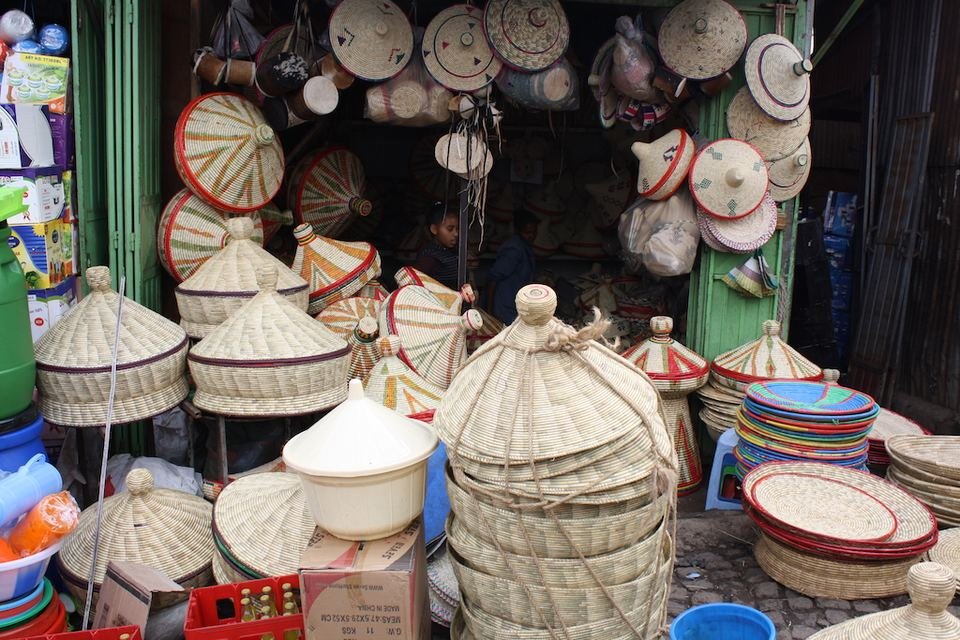
Merkato can be stimulating, but it is a working commercial environment. Choose a manageable section with a guide instead of expecting to cover the whole area. A focused walk through one kind of trade often gives more insight than a rapid sequence of crowded lanes. Keep purchases and photography unhurried, ask before photographing individuals, and avoid blocking a stall while a seller serves customers. If crowds are tiring, a smaller shopping stop may fit your day better.
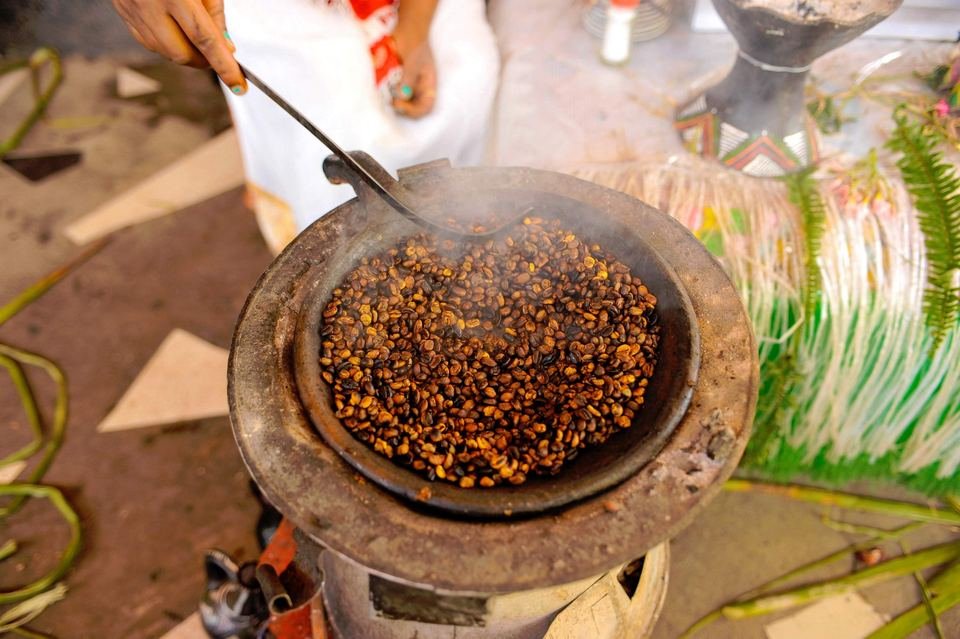
Coffee provides an opportunity to stop moving and pay attention. Ask about the preparation, the beans and the social setting rather than treating the cup as a quick item to tick off. A café visit and a hosted coffee ceremony are different experiences; the latter should be arranged with clear consent and an agreed scope. Hosts should know the number of visitors and available time. Buying coffee to take home can be worthwhile, but packaging and transport rules deserve attention.
Food and a comfortable daily rhythm
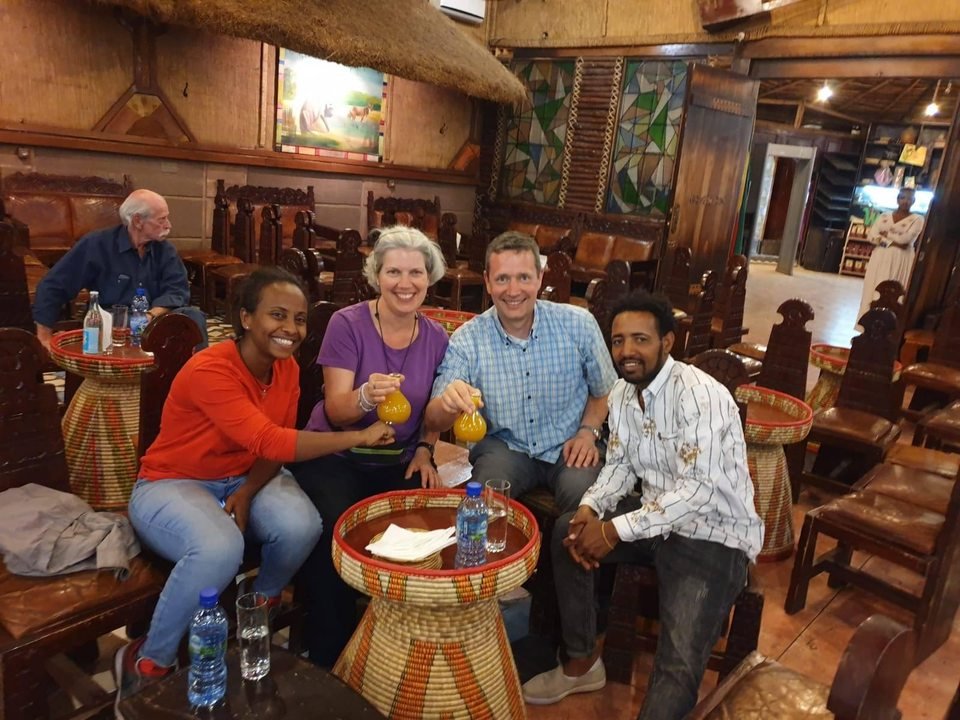
Use lunch as part of the experience rather than an interruption between attractions. Discuss dietary requirements before choosing the restaurant, including ingredients that must be avoided rather than merely disliked. Shared dishes can be convivial, but a group should feel comfortable requesting individual service where needed. For a first meal after a long journey, a familiar portion size and a relaxed setting may be more useful than ordering every speciality at once.
A city day needs ordinary pauses: drinking water, a comfortable washroom, a chance to sit and a little time to absorb what you have seen. These are especially important when travelling with children or older relatives. Let the guide know if you prefer an earlier lunch or need regular breaks. Keep a small personal day bag and leave large luggage at an agreed secure location, rather than carrying everything through museums or busy shopping areas.
How long to stay
A half day allows one main visit, one complementary stop and enough transfer time to avoid rushing. A full day can combine a museum, a hillside or neighbourhood visit, lunch and coffee. Two nights often create a more forgiving arrival pattern: one light afternoon followed by a fuller day. These are planning suggestions, not fixed programmes. The right amount of time depends on your flight schedule, energy and whether Addis is the main destination or a gateway.
An airport connection should be planned separately from a normal city stay. Landing time is not the time you will be outside the terminal, and the return journey must allow for the airline’s requirements. Do not design a sightseeing programme around the smallest possible connection margin. If a delay would make the day stressful, choose a nearby meal or a rest period instead. A useful city experience does not need to be long to be worthwhile.
Seasonality and what to carry
Plan around the forecast for your actual dates. Rain can change the appeal of an outdoor walk, while bright sunshine may make shade and breaks more important. A flexible sequence is valuable: use a clear period for a view and a wetter period for an indoor visit when opening arrangements allow. Avoid treating a broad seasonal description as a guarantee of conditions on a particular day.
Comfortable shoes, a light waterproof layer, a warmer layer for the hills and a compact bag cover most city needs. Carry only the valuables required for the outing and keep documents organised. If photography is a major interest, explain that before the route is set so the guide can allow time without compromising other visitors’ experience. Some sites restrict equipment or photography; permission should be obtained through the proper channels rather than assumed.
Choosing accommodation and checking accessibility
For a short arrival stay, consider the balance between airport convenience, quiet sleep and the next morning’s route. For a longer stay, neighbourhood restaurants, reliable vehicle access and room comfort may matter more than proximity to one attraction. Request confirmation of room configuration, stairs or lift access, and any early-arrival arrangements. A hotel category alone does not establish these details, and room photographs may not show the exact room assigned.
Accessibility should be discussed in practical terms. Ask about the number of steps, walking surfaces, gradients, seating, washrooms and whether a vehicle can reach the entrance. A route described as easy may still include high kerbs or extended standing. Travellers using mobility equipment should provide dimensions and transfer requirements so the vehicle and venues can be checked. Build a plan with satisfying alternatives rather than leaving access decisions until the group is at a doorway.
Frequently asked planning questions
Is Addis Ababa only worth visiting on arrival? No. A final city day can help connect experiences from the wider journey, provide time for shopping and create a buffer before an international departure. Which museum should come first? Choose according to your interests and confirmed opening arrangements; the National Museum is a useful starting point for archaeology. Can every highlight fit into one day? A selective route is usually more comfortable and gives each stop a clearer purpose.
Can children enjoy a city tour? Yes, if visits are short enough, questions are concrete and the day includes food and outdoor breaks. Must every visitor enter every church or market? No; interests and comfort vary, and the day can be adjusted. What should MUKA know before preparing a proposal? Share your dates, hotel area, flight commitments, group ages, preferred subjects, dietary needs and mobility requirements. The resulting route should be checked against current access and transport conditions before it becomes a confirmed arrangement.
Research sources
Reviewed by MUKA Ethiopia Tours · 15 October 2026.

