

Arba Minch is a useful place to slow a southern Ethiopia journey down. A stay can balance lake scenery, a carefully managed wildlife outing and time in the cooler highland setting around Dorze. Those experiences differ enough to deserve separate attention. This guide helps you choose the right number of nights, understand the practical demands of a boat trip and plan a community visit around hospitality and craft rather than a hurried photo stop.
The setting: town, lakes and highlands
Arba Minch is in southern Ethiopia beside the landscapes of Lakes Abaya and Chamo and Nech Sar National Park. The national tourism portal describes the ridge between the two lakes, often called God's Bridge, as a defining feature of the setting. Dorze visits take travelers into a different, higher landscape from the lakeside area. Visit Ethiopia provides an overview of the town and park.
Plan with these contrasts in mind. A lake outing and a highland visit should not be treated as interchangeable half-day fillers. They have different transport, weather, comfort and permission requirements. Choose the experiences that interest you most and leave enough time between them to enjoy the change of setting. If your southern itinerary already has several long drives, an extra night in one base can be more valuable than adding another distant destination.
Lake Chamo: begin with the boat arrangements
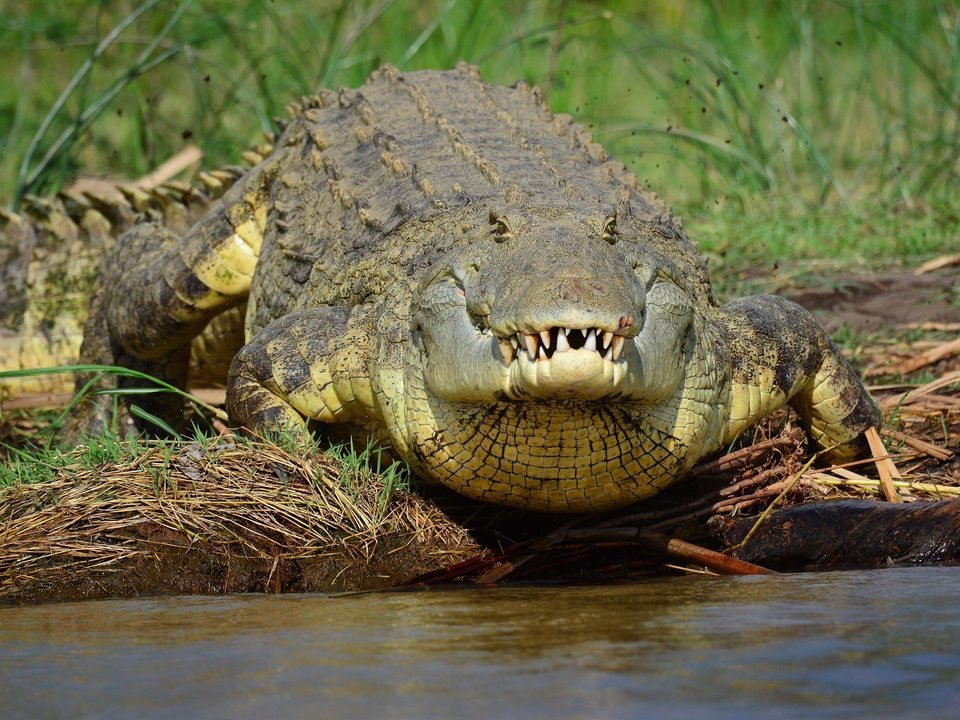
Lake Chamo is associated with crocodile, hippopotamus and bird observation in established travel writing, including Rough Guides' southern Ethiopia overview. Wildlife remains unpredictable. Ask for a trip planned around safe observation rather than a promise to approach a particular animal closely. The popular phrase crocodile market refers to a wildlife viewing area, not a retail market or a guarantee of what will be visible.
Before agreeing to an excursion, ask who operates the boat, how loading and boarding work, what the maximum passenger capacity is and whether correctly sized lifejackets are provided for everyone. A lifejacket must fit the person wearing it; children's equipment needs explicit checking. Clarify whether shade is available, how long you may be on the water and where toilets can be used before departure. These details affect enjoyment as much as the route itself.
Conditions should be assessed on the day. The operator must be able to postpone, shorten or cancel an outing if weather or equipment makes it unsuitable. Remain seated as instructed, keep hands and belongings inside and avoid sudden movement for a photograph. Never request a closer approach that compromises animal welfare or the boat's safe operation. A camera with modest zoom or binoculars can help you enjoy a respectful viewing distance.
What to expect from wildlife watching
Allow time for waiting and observation. Seeing how an animal moves, rests or interacts can be more interesting than checking its name off a list. Ask the guide to interpret birds and the wider lakeside landscape as well as larger animals. A day with fewer dramatic sightings can still be worthwhile when the outing is understood as a chance to observe a living environment.
Do not swim or step into the water as part of a sightseeing trip. Wildlife viewing is distinct from a recreational swimming activity, and the presence of a boat does not make an unplanned landing appropriate. If your group includes someone anxious on water, discuss that before booking. They may prefer a land-based alternative, provided an appropriate activity and supervision arrangement can actually be confirmed.
Dorze: a visit centered on people and skill
The South Ethiopia tourism bureau presents Dorze as a cultural destination reached from Arba Minch, with architecture and weaving among its visitor interests. Use that as an invitation to learn, not an expectation that every household is open. Ask MUKA to arrange a host who welcomes guests and can explain the particular setting. The bureau's Dorze overview offers background, while current arrangements need direct confirmation.
During a craft visit, ask about materials, stages of work and how the finished object is used. Watching a skilled process can be more revealing than asking someone to repeat a performance for the camera. If you want to buy textiles, allow time to compare workmanship and ask how to wash and care for the fabric. A purchase should be voluntary, and the hosting arrangement should not depend on everyone buying something.
House visits require specific permission. Confirm whether shoes should be removed, which spaces may be entered and whether a photograph is welcome. Treat food preparation or tasting as an invitation, and explain allergies or dietary restrictions before ingredients are served. Declining politely is better than pretending to accept something you cannot eat. Do not assume a demonstration represents every household's daily routine or that residents must dress a particular way for visitors.
Nech Sar and other outdoor options
Nech Sar may be relevant to a wider nature-focused stay, but access to particular areas and the practicality of a drive or walk require current checks. Avoid adding a park excursion to a day's schedule simply because the boundary is nearby on a map. Ask MUKA which part is proposed, how it will be reached and what sort of experience is realistic on your dates.
A viewpoint or shorter outdoor walk can be worthwhile if it matches your interests and conditions, but it should have a clear description. An alternative should not be presented as equivalent to a canceled boat or park activity without explaining what changes. Travelers particularly interested in birding should request appropriate guiding and time in suitable habitats rather than assuming any general sightseeing excursion will meet specialist expectations.
Arrival and local transport
Ask MUKA to confirm the available flight or road options for your dates. Published travel times are background estimates, not dependable connection plans. Include airport formalities, luggage collection and the drive to accommodation in your arrival day. If coming by road from Addis Ababa, reserve enough time for the transfer and appropriate stops instead of calling the entire day an Arba Minch sightseeing day.
The short journey described below starts at an agreed hotel in Arba Minch. An airport collection or an Addis Ababa transfer is an additional service unless the final written quotation includes it. For local outings, clarify the vehicle type, how many people share it, the expected driving pattern and whether a guide accompanies the group throughout. Highland roads and boat boarding create different practical demands; discuss both if mobility or motion sickness is a concern.
How long to stay
Two nights can provide a focused introduction if arrival and departure leave enough usable time. Three nights give more flexibility to separate Lake Chamo and Dorze, adjust to weather and enjoy the town's setting. These are planning suggestions rather than a fixed formula. Count the hours you can actually spend at the destination before deciding that a two-day package gives two full days of exploration.
Adding Konso requires extra thought about overnight location and return travel. A combined four-day local itinerary can be a useful itinerary, but it should identify what is being omitted as well as what is included. If you prefer relaxed mornings and long conversations, ask for fewer activities. Families may appreciate one principal outing per day, with the rest left open for meals, rest and spontaneous interest.
Accommodation: location and useful questions
Accommodation with views may be attractive, while a town location can make local errands easier. Compare actual access to the activities you plan rather than selecting solely by scenery. Ask about steps between rooms and restaurants, the availability of a quiet room, fans or cooling, bathroom arrangements and power. If a view involves a steep path, it may not suit every member of the group.
Request a written room configuration for families or friends sharing. A twin room, an extra bed and adjoining rooms are different arrangements. Confirm dietary needs before arrival, particularly if most meals will be eaten at the property. MUKA should provide the accommodation and an honest explanation of substitutions; this guide makes no commitment to a hotel category or named property.
Seasonality and packing across two environments
The contrast between the lake area and highland visit is a reason to pack flexible layers. Ask about expected local weather for your dates and check again close to travel. Wind and rain can affect a boat trip independently of whether the day seems pleasant in town. A highland stop can feel different from the lakeside, so keep a light outer layer accessible rather than packed away.
Bring footwear with grip for boarding and uneven paths, sun protection, a secure hat and protection for electronics. Keep luggage on a boat compact and follow the operator's instructions about storage. An expensive camera should not distract from holding a handrail or following boarding instructions. If your group has young children, plan shade, water and rest breaks deliberately instead of assuming they will tolerate an adult sightseeing pace.
Accessibility and respectful conduct
For a boat outing, ask about the actual boarding point and whether assistance or an alternative is feasible. A claim of easy access is insufficient if there is a gap, unstable surface or steep step. For Dorze, request the walking distance and surfaces between vehicle and host. A shorter route may work, but a household should not be expected to reorganize its private space to satisfy an unannounced requirement.
Seek individual consent before portraits, respect a refusal and ask before photographing interiors or craft processes. Do not distribute sweets or gifts to children. Agree host and guide payments transparently, and distinguish payment for time from permission to publish photographs commercially. A respectful visit should leave both visitor and host clear about why the meeting happened and what was agreed.
Frequently asked questions and related trips
Can Lake Chamo and Dorze be done in one day?
That may be considered after a current logistics check, but it creates a fuller day with less flexibility. Separate outings are often preferable when weather, mobility or a relaxed pace matters. Ask for the actual proposed schedule before choosing.
Are crocodiles and hippos guaranteed?
No. Ask for responsible wildlife observation with a suitable operator. The quality of the excursion should not depend on approaching animals closely or promising a specific sighting.
Which short trip connects the destinations?
The four-day Arba Minch, Dorze and Konso journey is a local-start itinerary. For wider southern travel, compare the existing eight-day South Ethiopia itinerary and request confirmation of the services and route for your dates.
Research sources
Reviewed by MUKA Ethiopia Tours · 15 October 2026.


