

Harar rewards visitors who slow down. A doorway, a basket hanging in a family sitting room, a short conversation beside a coffee stall: these can be more memorable than completing a list of monuments. This guide is designed for travelers who want to understand the old town through its streets and the people who use them. Allow space for introductions, prayer times and ordinary neighborhood life. Harar should feel like a place you have spent time in, rather than a collection of photographs you have taken.
Where Harar fits in an Ethiopian journey
Harar is in eastern Ethiopia. Its historic core, Harar Jugol, is a UNESCO World Heritage property whose significance includes urban form, Islamic learning, trade and distinctive domestic architecture. It is a living town, with residential and commercial spaces closely connected. The wider modern city is part of the experience too; the heritage boundary does not divide an authentic past from an uninteresting present. UNESCO explains the historic town's significance.
For itinerary design, treat the eastern journey as its own segment. Combining it with a distant southern circuit or a northern historical route requires real transfer time. If only a few days remain, a local stay with a clear arrival plan is more satisfying than an ambitious loop whose sightseeing depends on every connection working perfectly. Tell MUKA whether Harar is the main purpose of the journey or an addition to an already fixed flight itinerary.
Start by learning the streets
On a first walk, ask the guide to explain how to recognize your entry point and return route. Choose a small area, learn its relationship to the walls and commercial streets, then explore outward. A guided orientation makes later independent time more useful. It also helps distinguish a public route from a domestic passage where walking in uninvited would be intrusive. The best first afternoon may include fewer named stops than expected, because stopping to understand everyday surroundings takes time.
Keep your group together in narrow passages without spreading across the entire street. Let residents carrying goods pass first. If someone invites a conversation, put the camera away initially and allow the guide to translate without rushing. Ask questions about the building or work in front of you instead of expecting one resident to represent every aspect of Harari culture. Religious identity, occupation, age and individual experience all shape different perspectives.
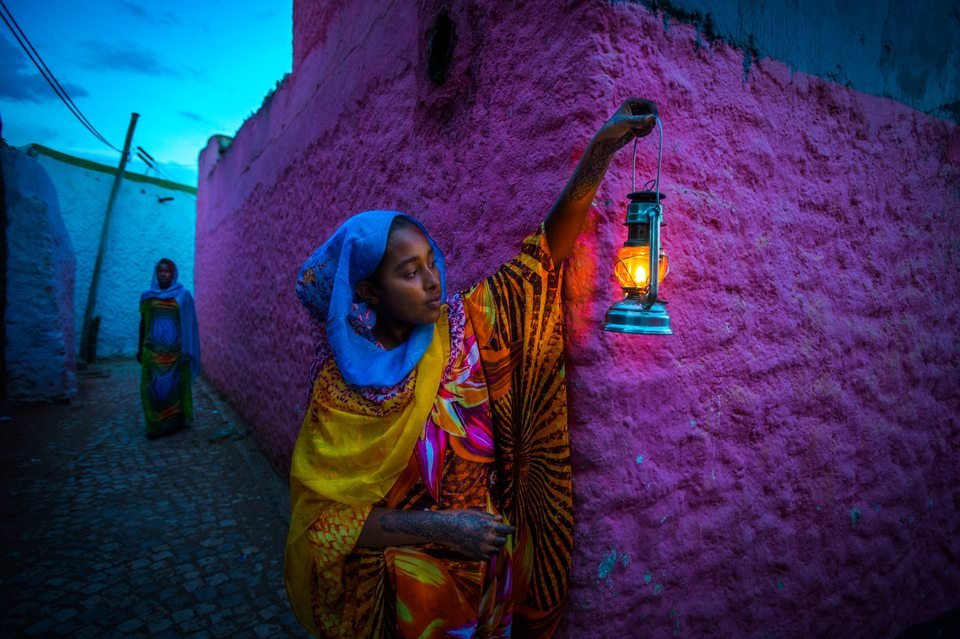
Houses, craftsmanship and collections
Traditional house interiors and craft traditions are central to Harar's heritage. Where a household or managed visitor property welcomes guests, an explained visit can illuminate the relationship between room arrangement, decoration and social life. UNESCO also notes the influence of Indian merchant architecture. These are useful starting points for observation, not reasons to assume every house has the same history.
Arrange interior visits through someone who knows the host, and confirm what the invitation covers. A visitor room does not imply access to bedrooms or kitchens. Ask whether shoes should be removed, whether photography is welcome and whether a host fee is included. At a collection or museum, check the day's opening arrangements and allow enough time to read displays. Smaller institutions may be more rewarding with a knowledgeable local explanation than with a hurried circuit of objects.
If buying craftwork, ask who made it, what materials are used and how it should be transported. A purchase chosen for its workmanship supports a more meaningful conversation than bargaining for an item you do not actually want. Avoid acquiring objects presented as antiques without clear lawful provenance and export guidance. Modern craft bought directly from its maker can carry a better story and fewer uncertainties than an impressive claim about age.
Collections to discuss with your guide
The national tourism portal identifies the Harar Community Centre Museum and Sherif Harari City Museum as useful cultural collections. The former offers an introduction to a traditional house setting; the latter includes manuscripts, coins and household material. Ask which collection best matches your interests rather than automatically visiting both. Visit Ethiopia describes these possibilities.
The Arthur Rimbaud Center offers another perspective through the writer's association with Harar and historical photographs. Lonely Planet's editorial account cautions against simply identifying the present museum building as the house where he lived. Treat it as a cultural center and collection, and ask the guide to distinguish documented history from local attribution. Opening and current exhibits should be confirmed before inclusion.
Markets, coffee and the rhythm of a day
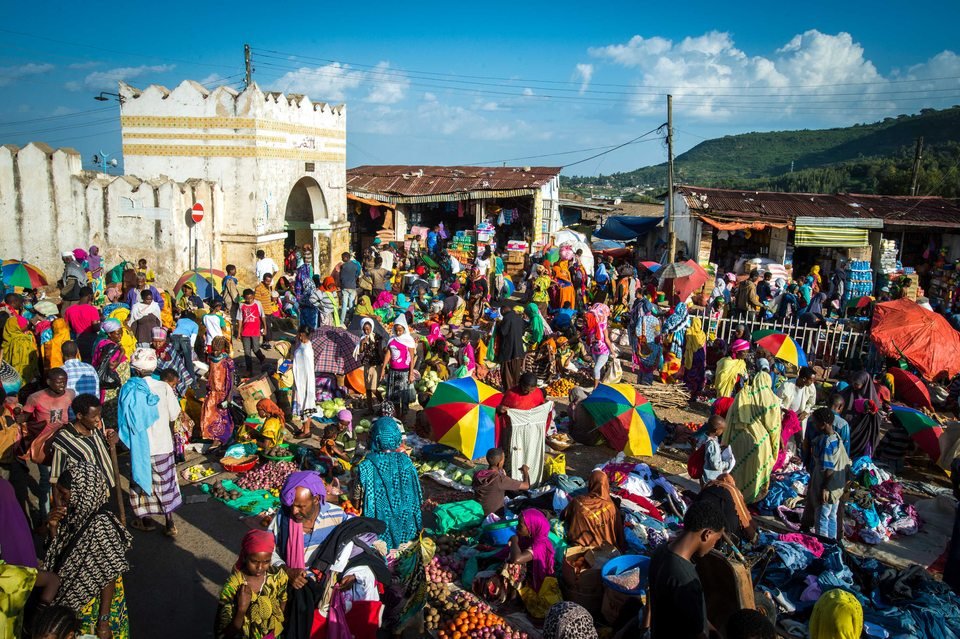
Build market time around observation and small purchases, rather than photographing a crowd from the middle of a working aisle. Leave room for customers to reach stalls. For close portraits, seek the individual's agreement before lifting the camera. If a seller is busy, return later or simply move on. A market is more understandable when your guide can explain what is being traded and how goods are used.
A coffee stop provides a natural pause between walks. Choose a comfortable place where you can sit without obstructing business, and explain dietary needs before ordering food. Visitors sensitive to caffeine can still enjoy the conversation without drinking every serving offered. The Rough Guides eastern Ethiopia overview provides broader regional context, but current opening times and recommended stops should come from MUKA's local checks. Plan the longest walk during a comfortable part of the day, with seated breaks available.
Religious places and respectful access
Do not equate an important religious building with a place open for sightseeing. Ask the guide to clarify which spaces may be approached and which are reserved for worship. Modest clothing is useful, but clothing alone does not create permission to enter. During prayer, step away from entrances and avoid conversations or photography that distract people. A view from a public street can be a complete and respectful visit.
Discuss religious holidays when choosing travel dates. The atmosphere, meal arrangements and access pattern may differ from an ordinary week, which can be enriching if anticipated. Avoid writing a fixed itinerary around ceremonies unless the community or institution explicitly welcomes visitors. When unsure whether a photograph is appropriate, ask a person with authority over the space and also seek consent from any identifiable individuals in the frame.
Evening choices and wildlife encounters
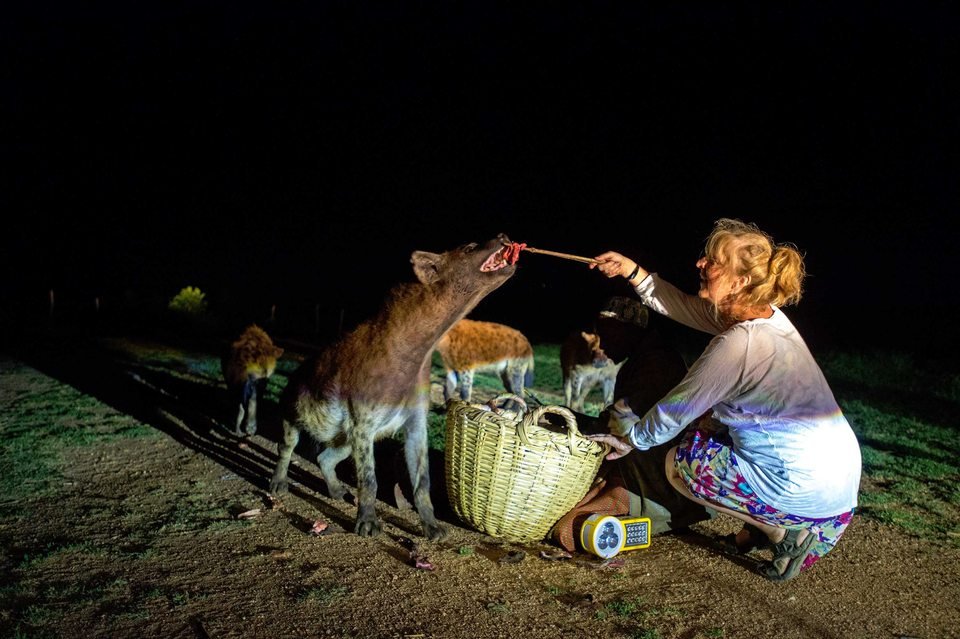
Some travelers associate Harar with hyena viewing. Treat any proposed evening wildlife activity as a separate decision requiring a current welfare and safety assessment. Do not assume it is a compulsory or included part of a cultural visit. Ask where observers stand, how transport works after dark and whether close contact or feeding is expected. You should be able to decline an activity without losing the value of the day.
A relaxed dinner and a conversation about the places visited can be a better evening for tired travelers, families or anyone uncomfortable with managed animal encounters. If wildlife viewing is offered, remain at the distance specified by the responsible guide, do not improvise contact and never encourage an animal toward other visitors for a photograph. The tour proposal should describe the actual activity rather than relying on a dramatic picture to communicate its nature.
Getting there and moving around
Dire Dawa is a commonly used gateway for Harar, as described by Rough Guides. Airline schedules, airport transfers and current road feasibility require fresh confirmation. A ticket to Dire Dawa does not put you directly into a Harar guesthouse: include baggage collection, meeting the driver and the road transfer in the arrival plan. If arriving late, keep the first evening simple and move the orientation walk to the following morning.
A local-start Harar itinerary should state whether the meeting point is a Harar hotel or Dire Dawa airport. These are different service scopes. For a road arrival from Addis Ababa, request an itinerary that acknowledges the transfer day instead of squeezing an equivalent sightseeing day around it. Within Harar, agree vehicle drop-off points and walking sections in advance, especially if carrying camera equipment or traveling with someone who needs frequent seated breaks.
How long to stay and where to sleep
Two nights can support an arrival orientation and one substantial day of exploration, while three nights create room for slower walks and a flexible departure. These are suggestions, not minimum booking rules. A one-night visit is possible only when the arrival and departure arrangements leave useful time; otherwise it can feel like two transfers connected by a short walk. Travelers interested in architecture, collections or photography should prioritize time on foot over adding another distant stop.
Choose between a property in or near the historic core and a hotel in the wider town according to comfort and access needs. Ask about vehicle access, stairs, bathroom arrangement, nighttime noise and the distance from the drop-off point. A characterful building may have thresholds or narrow passages that affect mobility. A modern room category does not itself establish step-free access. Request photographs and specific measurements if those details determine whether the stay is feasible.
Seasonality, packing and physical demands
Do not choose dates using a national weather summary alone. Ask for the likely local pattern during your travel week and check forecasts close to departure. Rain changes walking surfaces and outdoor photography; heat changes the appropriate length of a continuous walk. Comfortable footwear with grip is more useful than a purely urban dress shoe. Bring a light rain layer, sun protection and a small bag that leaves your hands free in crowded lanes.
Describe your walking ability in practical terms: comfortable distance, tolerance for slopes, ability to negotiate steps and need for resting places. That is more useful than calling yourself reasonably fit. A shorter route with good interpretation can deliver a rich visit. If hearing is difficult in busy spaces, ask for explanations at quieter stops. For visual impairments, discuss tactile or verbal interpretation with hosts in advance rather than touching historic fabric or household possessions without permission.
Planning questions worth answering before travel
Ask which visits are confirmed, which depend on hosts being available and which can be replaced if conditions change. Clarify guide language, daily meeting times, meal arrangements and how free time works. Keep the accommodation address available offline and agree a straightforward meeting point if the group becomes separated. Carry a modest amount of spending money in a form accepted locally, but obtain current payment advice rather than assuming every small business accepts a card.
Share only the information needed to arrange the trip. Accessibility needs, food restrictions and arrival details matter; sending passport copies over an informal channel before they are required may not. MUKA should explain any necessary documentation and provide an appropriate method. A clear written plan should identify the person to contact locally, the agreed services and what happens if your arrival is delayed.
Frequently asked questions
Can Harar work as a short addition to another Ethiopia trip?
Yes as a planning itinerary, provided the eastern transfers fit your dates. Reserve the travel time first and then count the sightseeing hours. The three-day local-start Harar itinerary uses Harar as both its beginning and end; flights and Dire Dawa transfers require an additional confirmed arrangement.
Must I photograph people to enjoy the visit?
No. Architecture, craft details with permission, food and conversation can shape a rewarding visit. Tell the guide if you prefer a camera-free experience. A resident's refusal is complete in itself and does not require negotiation.
Can every religious interior be visited?
No such access should be assumed. Build the day around confirmed visitor spaces and public streets, leaving worshippers and private areas undisturbed. A good explanation outside may be more appropriate than an interior visit.
Which MUKA trip should I ask about?
Request the three-day Harar local discovery itinerary. Request your dates and preferences for a personal quotation. For a longer personalized journey, ask MUKA to explain how the eastern segment could connect to your existing route without compressing the travel days.
Research sources
Reviewed by MUKA Ethiopia Tours · 15 October 2026.