

A destination shaped by water
Bahir Dar makes most sense when considered together with Lake Tana and the Blue Nile. The city supplies a place to stay and organise visits; the lake opens a landscape of shorelines, islands and religious communities; the falls add a different encounter with moving water and rural paths. These experiences have different transport and physical requirements. A satisfying stay separates them into manageable outings instead of trying to compress boats, monasteries and a countryside walk into one hurried day.
Lake Tana is Ethiopia’s largest lake and the main source of the Blue Nile. UNESCO recognises the lake and surrounding landscape as a biosphere reserve, reflecting the significance of its ecosystems and the people who use them. This status should not be confused with World Heritage inscription: the lake monasteries and wetlands appear on UNESCO’s Tentative List. For the visitor, the distinction is less about collecting labels than understanding that natural and cultural interests belong together here.
Access must come before itinerary promises
Before choosing travel dates, check current government travel advice and discuss the exact route with MUKA. Access, transport and local conditions can change; your travel insurance must cover the intended journey.
Avoid purchasing a sequence of inflexible onward arrangements based on an assumed Bahir Dar visit. Ask which elements can be postponed, replaced or removed if conditions require it. A local contact’s confidence and an airline timetable answer different questions, and neither should be treated as a complete assessment. If the visit is not appropriate for your dates, the right response is to redesign the journey around a destination that can be responsibly assessed and supported.
What a monastery visit can offer
A monastery excursion can introduce religious painting, architecture and a continuing tradition of worship. Ura Kidane Mihret is a well-known visitor stop associated with the Zege Peninsula. The purpose of a visit is not simply to arrive by boat and photograph an interior. Allow time for the approach, an explanation of the imagery, questions and a quiet return to the landing place. Ask the guide to distinguish historical evidence, religious tradition and local interpretation clearly.
Choose the number of monasteries deliberately. Several consecutive interiors can become visually repetitive without good interpretation, while one carefully explained visit may be memorable. Visitor access varies between religious communities and may depend on gender, observance, restoration or other local arrangements. Confirm that every member of the group can enter the sites. If access differs, the plan should contain an equally worthwhile alternative rather than leaving someone waiting without explanation.
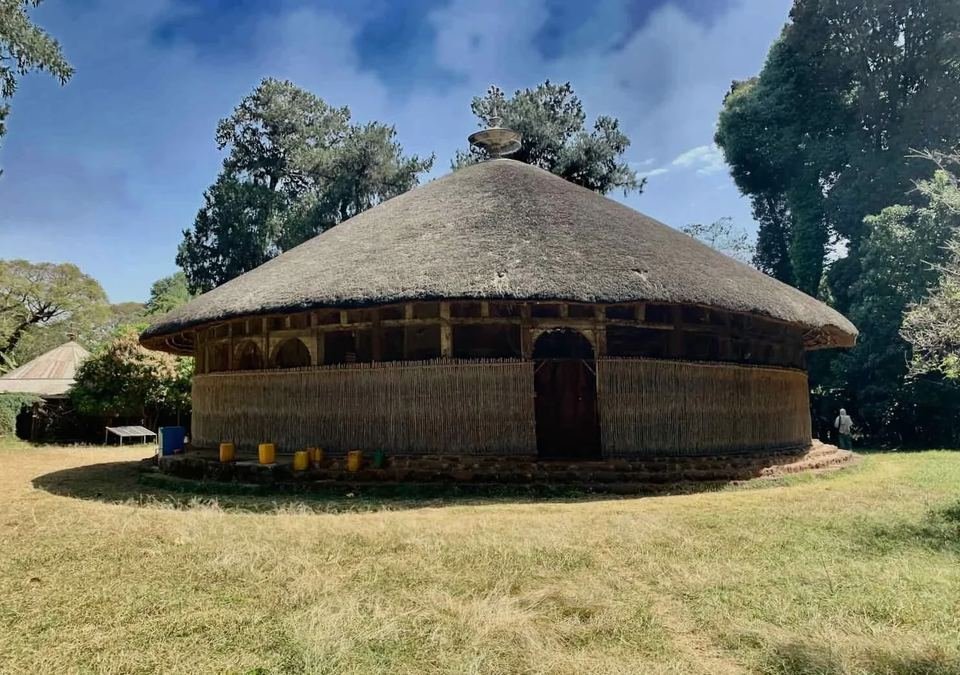
Preparing for a Lake Tana boat outing
A boat trip is an activity in its own right. Before confirming it, ask about the vessel, capacity, covered seating, correctly fitting life jackets and the boarding arrangement. The chosen landing point may involve steps, a moving gap between boat and shore or an uneven path after disembarking. Share any balance, mobility or motion-sensitivity concerns early. A calm-looking photograph cannot establish the conditions of the lake on the day you travel.
The route should allow for weather and daylight, with a clear decision process if conditions are unsuitable. Keep a warm or windproof layer accessible and protect cameras and documents from spray. Pack water and any personal essentials in a small bag that leaves your hands free while boarding. Avoid standing or moving around the vessel for a photograph without the crew’s agreement. Wildlife observation should be conducted at a distance that does not crowd resting birds or other animals.
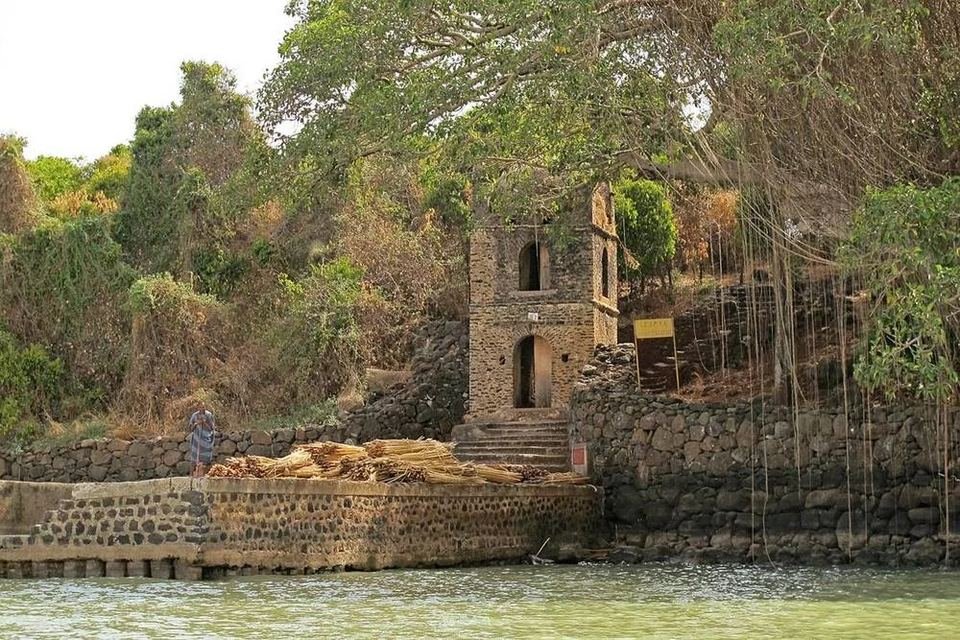
Understanding the wetland landscape
The lake is more than the open water visible from a hotel terrace. Shoreline vegetation, wetlands, farming and fishing help explain why the area matters as a living landscape. A guide can draw attention to the difference between a monastery woodland, an urban waterfront and a quieter wetland edge. Birdwatching becomes more rewarding when it includes behaviour and habitat rather than a race to accumulate names. Sightings vary, and a particular species should never be promised in a general itinerary.
Give a birding interest enough time and the right equipment. Binoculars often help more than a very ambitious route. Ask for an outing with pauses, quiet observation and an appropriate local guide if birds are a central reason for travelling. Mixed-interest groups can combine a shorter nature walk with cultural visits, but should agree the balance before departure. A specialist morning and a family sightseeing morning may need quite different pacing even in the same place.
Planning the Blue Nile Falls visit
The Blue Nile Falls are approached from the Bahir Dar area through the Tis Abay side of the countryside. Expect the outing to include walking, rather than assuming the vehicle delivers you to a completely level viewing platform. The precise path, crossings and viewpoint availability need local confirmation. Ask for an account of the actual route being proposed, including gradients, surfaces, approximate walking effort and alternatives if rain or river conditions change the plan.
Waterfall appearance is variable. Treat dramatic images as records of a particular moment rather than promises of what you will see. Rainfall and river management can affect the experience, and a guide should explain recent observations without guaranteeing a spectacle. The excursion can still be interesting for its landscape and walking, but travellers whose sole aim is a specific water volume should understand that uncertainty before committing to the journey.
Walking comfortably around the falls
Wear shoes with dependable grip and carry rain protection that leaves your hands free. Wet rock, mud and uneven ground deserve more attention than the distance alone suggests. Keep away from unprotected edges and follow the guide’s current route rather than a track seen in an old online video. A photograph is not worth stepping outside a permitted or assessed area. If the chosen path is beyond your comfort level, say so early enough to adjust the outing.
Plan a seated break and food around the walk rather than assuming facilities at every stop. Families should discuss how close supervision will work, particularly near water or crowded viewpoints. Travellers who prefer a shorter outing should ask for a verified alternative before booking; it may not be possible to improvise a suitable route on arrival. The outing should be assessed separately from the boat trip, because someone comfortable with one may find the other difficult.
Time in Bahir Dar itself
Leave time for the city rather than using it only as a place to sleep. A gentle waterfront stop, a meal and a focused market visit can give the stay a more rounded character, subject to local access advice. Craft shopping works best when there is time to understand the material and workmanship. Ask permission before photographing sellers or shoppers, keep walkways clear and negotiate purchases respectfully without turning the encounter into a performance.
Music or an evening meal may be an enjoyable addition, but confirm the setting, timing and return transport. An early boat departure and a late night are not always a useful combination. For travellers who want a quieter stay, a relaxed dinner and an early finish may be the better choice. Let the guide know whether nightlife is an interest or an assumption you would prefer to remove from the programme.
How many nights and where to stay
A stay of two or three nights can create space for separate lake and falls outings, provided the destination is cleared for travel and transport schedules fit. A shorter stop forces more choices; it should not simply contain the same list with less time at every place. If the lake is the priority, protect a suitable boat window. If walking is the priority, allow a full unhurried block for the falls rather than placing it immediately before a departure.
Consider a central hotel for convenient town access or a lakeside property for time in the grounds and views, then examine the actual location and facilities. Confirm room type, steps, water and power arrangements, restaurant hours and how the vehicle reaches reception. A lake view does not necessarily mean a quiet room, and a resort label does not establish accessible paths. Ask for the features that matter to you instead of relying on a category alone.
Seasonality, transfers and onward travel
There is no single best date independent of your interests. Rain can make the landscape greener and walking more complicated; drier conditions may ease some outings but change the appearance of water and vegetation. Lake weather deserves its own assessment even when conditions in town seem comfortable. Build flexibility into the order of visits, with indoor or shorter alternatives where realistically available. Confirm religious events separately if they are a reason for travelling.
Flight and road arrangements must be checked for the actual date, with a contingency for disruption. Do not assume that routes mentioned in older tourism pages are currently operating. A domestic arrival day should contain a light programme until the arrival time is secure. If continuing to another northern destination, have MUKA assess that entire leg rather than treating it as an automatic extension. Connected places on a map may require separate practical and security decisions.
Frequently asked questions
Can the lake and falls be visited in one day? A compressed programme may be possible under some circumstances, but the experience, daylight and conditions need careful review; two separate outings allow more flexibility. Are all monasteries open to everyone? No blanket assumption is appropriate; confirm each selected site for your group. Is this a World Heritage destination? Lake Tana’s biosphere status and the monastery Tentative List entry are different designations, so descriptions should identify them accurately.
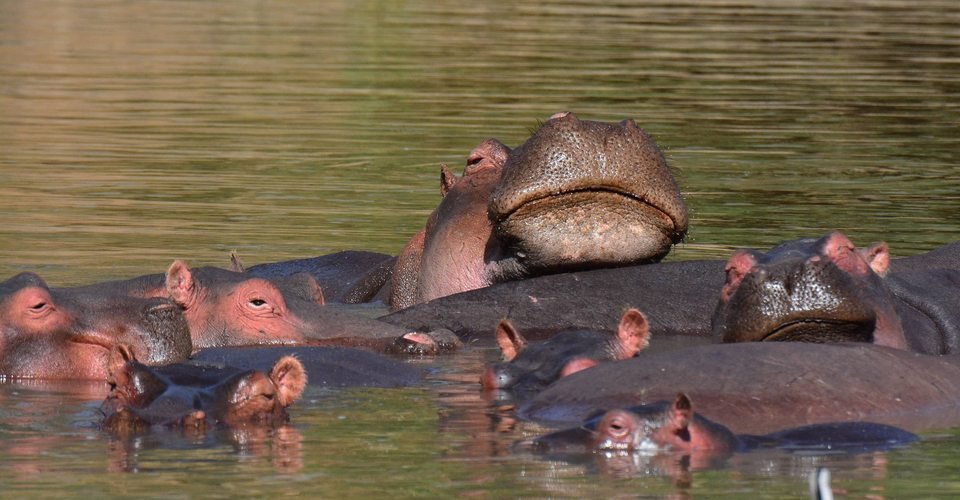
Is the falls walk suitable for every traveller? Suitability depends on the verified path and individual mobility, balance and stamina. Can a boat trip guarantee hippos or particular birds? No. Should I book flights before discussing the route? Ask for current operational review first, then coordinate flights with the agreed plan. For a useful MUKA enquiry, provide dates, arrival point, desired nights, cultural or birding priorities, comfort expectations and any walking or boarding requirements. Every proposal should remain conditional until the relevant arrangements have been checked.
Research sources
Reviewed by MUKA Ethiopia Tours · 15 October 2026.

