

A thoughtful Lower Omo journey begins with a change of emphasis: from collecting portraits to making time for people, landscapes and context. The region is home to diverse communities with different languages, livelihoods and relationships to place. A good itinerary should help visitors understand something of that diversity without treating anybody's home, appearance or ceremony as a product that can be ordered. This guide focuses on the decisions that shape a respectful and practical journey, especially the difference between a brief local visit and a wider southern circuit.
Understand the geography and the name
The Omo River flows through southwestern Ethiopia toward Lake Turkana. The travel region commonly called the Omo Valley is broad, and a journey may involve several bases rather than one central attraction. Jinka and Turmi appear in many travel discussions, but they are not interchangeable starting points. Begin by marking the places you genuinely wish to understand, then ask MUKA to assess a feasible route between them.
The UNESCO property named Lower Valley of the Omo is recognized for prehistoric deposits and fossil discoveries important to understanding human evolution. That archaeological designation should not be used to describe contemporary communities as unchanged relics of prehistory. A cultural visit near Jinka does not necessarily include a visit to the inscribed research landscape. UNESCO describes the archaeological property; the distinction matters when comparing tour claims.
Begin with interpretation in Jinka
Jinka can provide a useful introduction before more extensive travel. The regional tourism bureau identifies the South Omo Museum and Research Center there as a place for cultural context. If it is open and a suitable visit can be arranged, use it to develop questions rather than memorize a catalogue of communities. Objects become more meaningful when connected to work, family life, trade and change. See the bureau's museum overview.
A guide can help distinguish an exhibit's historical description from present practice. Ask when photographs were taken, whose perspective a display presents and how the places you plan to visit relate to it. Museums and local interpreters should complement direct conversations, not establish assumptions about every person encountered later. Confirm opening and guide availability before building an entire arrival afternoon around the institution.
Different communities, different routes
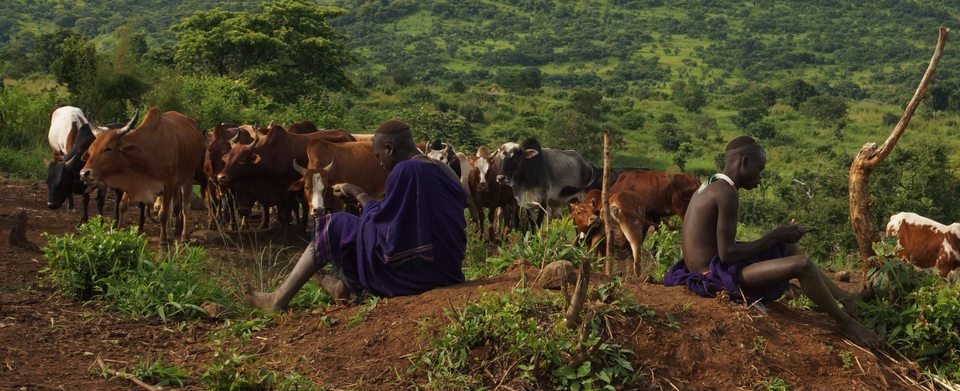
Ari, Mursi, Hamar and Kara are among the names visitors may encounter while researching the broader region. They should not be treated as interchangeable stops. The regional bureau discusses farming, pastoralism, craft and river-related livelihoods across South Omo, while its Ari overview places Jinka in its contemporary regional context. Ask how a proposed visit connects to those livelihoods rather than assuming an appearance tells the whole story.
For a local introduction, an appropriately hosted visit near Jinka may suit a short stay. A journey based around Turmi or a river settlement has different driving and overnight requirements. If an operator lists all of these in a few days, request the daily route and time actually available with hosts. Choose the plan that makes enough room for introductions, interpretation and ordinary delays.
Choose depth before the number of communities
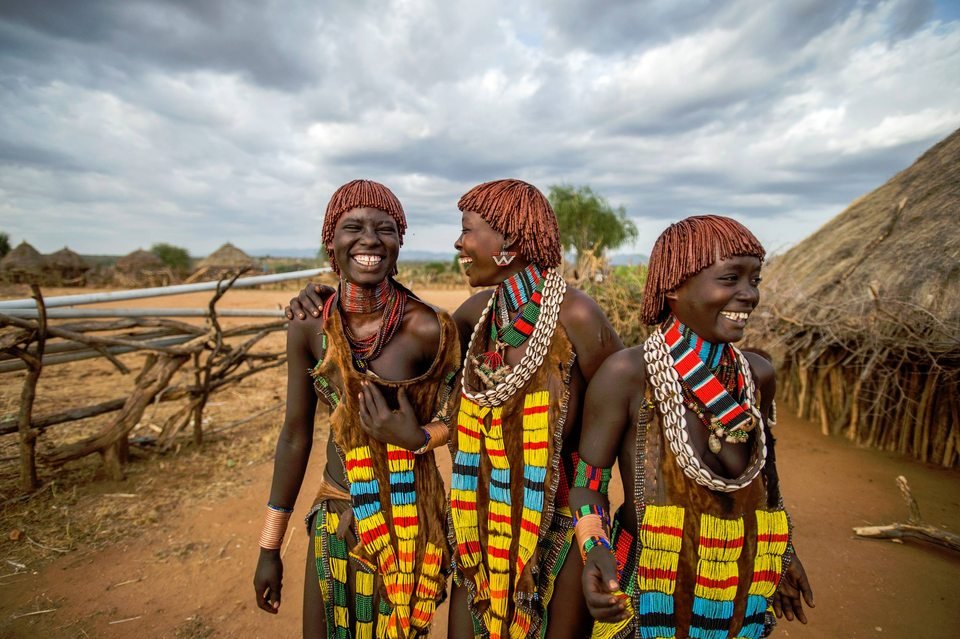
For a short visit, choose a limited geographic area and allow enough time for an invited encounter. A small number of well-prepared visits can reveal more than a rushed circuit organized around appearances. Explain whether your interests are agriculture, craft, household architecture, language, markets or landscape. Those interests help MUKA identify appropriate hosts and avoid presenting every visitor with the same photography-led sequence.
Do not request access to a private ceremony as if it were a scheduled show. Where a community welcomes visitors to an event, the invitation should specify acceptable conduct and whether photography is appropriate. Declining entry or changing plans is a legitimate outcome. People have work, family obligations and reasons for privacy that are unrelated to a traveler's schedule. A flexible day should retain value even if the most anticipated visit cannot occur.
Markets as working places
A market can offer an introduction to regional trade and everyday interaction, but its usefulness depends on the actual day, current arrangements and the group's approach. Published market calendars are not sufficient confirmation. The regional tourism overview lists several markets; MUKA should verify the appropriate one with local contacts before including it. Do not change a sound route solely to chase an unverified market day.
Ask your guide to explain where it is comfortable to stand and when sellers are too busy for conversation. Buy something because you want it, not as a disguised demand for a portrait. Agree any photography arrangement openly before taking a photograph. Never block an aisle, touch goods without permission or separate a child from accompanying adults for a picture. If a place feels overwhelmed by visitors, a shorter stay may be the respectful decision.
Photography and consent
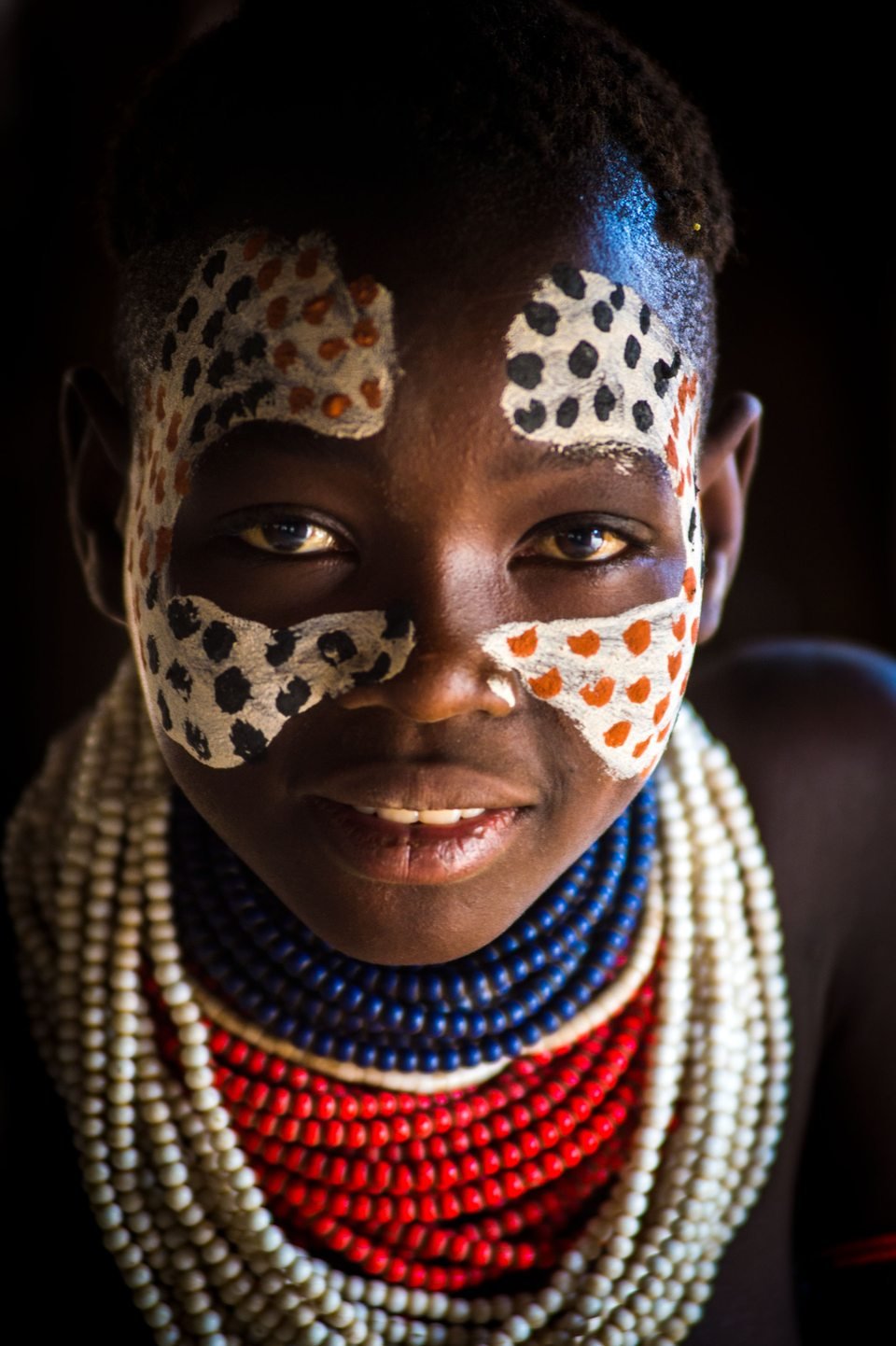
Consent is specific to the person, the moment and the intended use. Permission to take a holiday photograph does not automatically authorize publication in advertising, a commercial portfolio or a website. Explain intended uses through a language the person understands. A group leader's approval does not replace individual agreement for close portraits. People should be able to decline without losing a payment already due for hosting or guiding.
Ask MUKA to describe its proposed payment approach before arrival. A transparent host fee or a clearly discussed portrait arrangement is easier to navigate than bargaining after the shutter has clicked. Do not pressure someone to change clothing, pose with an object or repeat a domestic task purely to match an image seen online. Photographing children requires additional care, guardian permission and regard for the child's own willingness and dignity.
Put the camera away for part of each visit. Conversation changes when nobody feels they are continually being recorded. Avoid posting exact locations of private homes without permission, and think carefully before pairing someone's face with a sweeping claim about their culture. Ask how people prefer their community and personal names to be written if you intend to caption photographs later.
Transport and route realism
A local-start trip begins after you have reached its stated meeting place. For a Jinka-based short itinerary, flights or road transfers from Addis Ababa are separate unless specifically included in the quotation. Verify schedules, baggage limits, meeting arrangements and contingency plans close to travel. A route that looks short on a map may still involve slow surfaces, waiting time and access checks.
Request the daily driving pattern, not just a distance total. Ask where rest stops, meals and toilets are expected, and what happens when a road cannot be used. A suitable vehicle and a driver familiar with the current route are practical requirements, but the term four-wheel drive is not itself a guarantee that every location is reachable. Avoid a final long excursion whose return leaves no margin before a flight.
Short stay or wider southern circuit?
Three days based in Jinka can support an introductory visit with one principal outing and a contextual first or final day. It cannot honestly promise comprehensive coverage of the Lower Omo. Travelers seeking several distinct bases should choose a longer journey and accept that some days will emphasize travel. List two or three priorities in order, then allow the operator to build a route around them.
MUKA's existing eight-day South Ethiopia tour is a relevant longer catalogue option for comparison. Its tour page is the source for that product's actual itinerary and stated scope. The three-day Jinka local introduction is a separate short trip for travelers with less time. Neither reference establishes current operation; feasibility and services need confirmation for the requested dates.
Accommodation areas and comfort expectations
Choose bases for their relationship to planned visits, not only for a property's photographs. Jinka may suit an introductory stay; a wider route may need nights elsewhere. Ask MUKA to compare the cost of changing bases with the extra driving a single-base plan would create. The best answer depends on your interests, available properties and current road conditions.
Request specific information about bathrooms, fans or cooling, mosquito protection where relevant, electricity, drinking water and meal choices. Ask how any accessibility needs will be met between the vehicle, room and dining area. Remote or characterful should never be used as a substitute for describing facilities honestly. If reliable connectivity is essential, explain that before booking and obtain a realistic response rather than assuming continuous service.
Seasonality and physical demands
Plan against the conditions of the actual route and dates. Heat can make a short walk tiring; rain can change road access and the comfort of an outdoor visit. Ask for shade and rest opportunities in the daily plan. Weather also affects people's work, so a planned agricultural activity may be different from what an old photograph suggests. Flexibility should be part of the design, not merely a sentence in small print.
Describe limitations with getting in and out of vehicles, standing on uneven ground and walking without a nearby seat. Some encounters may be possible with very little walking, while others cannot be adapted adequately. MUKA should state those differences before a commitment. Discuss personal health preparation with a qualified professional who can consider your itinerary, and obtain current travel advice through appropriate official channels rather than relying on a destination article for medical or security decisions.
Etiquette beyond the camera
Greet hosts, listen to introductions and ask before entering a compound or touching household objects. Clothing, greetings and gender-related expectations may differ between places; receive a specific briefing each time. Avoid language that presents people as primitive, timeless or untouched. Visitors are encountering contemporary lives, including education, trade, technology and political or environmental change, as well as cultural continuity.
Do not hand out sweets or gifts to children during a visit. If you wish to support a local initiative, ask how contributions are managed and who determines priorities. Paying agreed fees promptly and buying wanted goods fairly can be more straightforward than a spontaneous donation. Never arrange a school or institutional visit simply to photograph children; a legitimate purpose and appropriate safeguarding arrangements are necessary.
Frequently asked questions
Will a short trip include all the well-known communities?
No. A three-day local introduction should have a deliberately narrow scope. Ask which specific visits are being proposed and how invitations will be arranged. More names on a tour page do not necessarily produce a better experience.
Is a ceremony guaranteed?
No. Private and community events depend on the people organizing them. A respectful itinerary can acknowledge an invitation when appropriate without inventing a fixed performance or promising access before permission exists.
Can I travel without photographing people?
Absolutely. Tell MUKA that conversation, craft or landscape is the priority. Ask the guide to explain this to hosts so expectations are clear and the visit does not default to a portrait session.
What should I include in an enquiry?
Give travel dates, confirmed arrival point, available nights, group size, interests, preferred comfort level and any mobility requirements. Specify whether you want the Jinka short trip or the existing eight-day itinerary. Ask for a current route assessment and a written explanation of host fees, photography arrangements and transport scope.
Research sources
Reviewed by MUKA Ethiopia Tours · 15 October 2026.
