

Start with the kind of journey you want
The central Rift Valley lakes offer several possible holidays within the same broad region. One traveller may want a quiet lakeside break, another a birdwatching journey, and a third a varied introduction to landscapes south of Addis Ababa. These aims overlap, but they do not produce identical itineraries. Decide whether time at a comfortable base or movement between different places is more important. A route that tries to satisfy every interest equally can spend too much of the day in transit.
For an initial plan, consider Ziway, Langano and the Abijatta-Shalla area as a focused group. Hawassa can form an extension with additional time, but adding another lake is not automatically an improvement. The names describe different settings, water conditions and visitor experiences. Approach them as individual places rather than interchangeable blue shapes on a map. A knowledgeable local guide can help explain what changes from one stop to the next and why that difference matters.
Reading the landscape
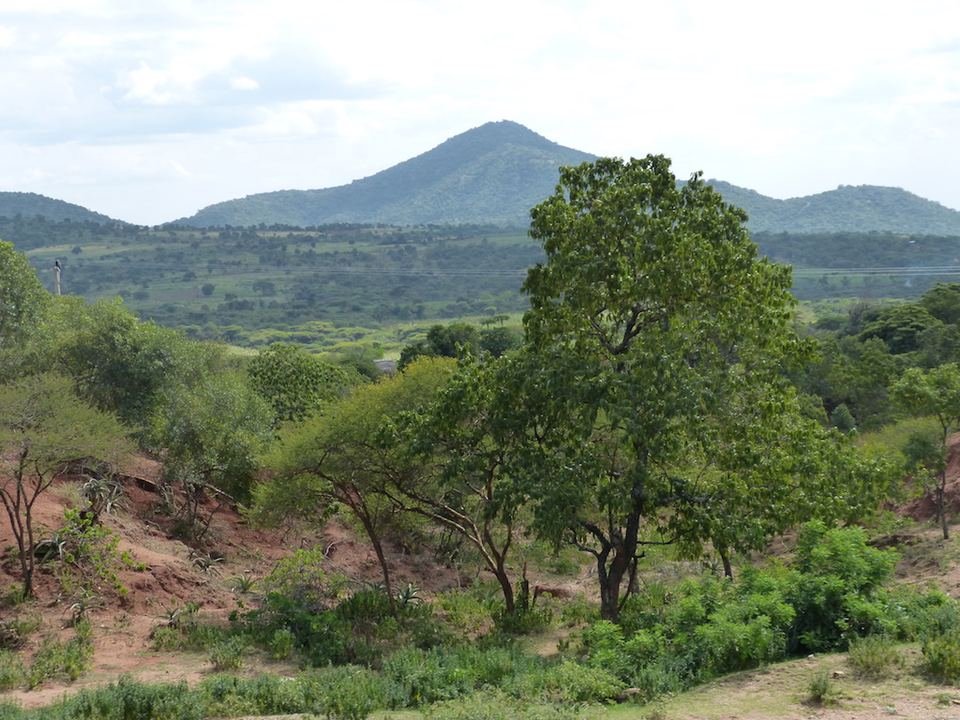
This is a landscape in which water, geology, land use and settlement are closely connected. Research on the Ziway-Langano-Abijata basin examines relationships between lakes and groundwater, reminding visitors that each shoreline belongs to a wider system. You do not need specialist training to notice the questions that follow: where water comes from, how people use it, and how a changing shoreline affects birds and livelihoods. A patient observation stop can make those relationships more tangible than a string of statistics.
Look beyond the broad panorama. Vegetation at the edge of the water, the position of fishing activity, a group of feeding birds and the transition to cultivated land all provide useful clues. Ask your guide to explain what is observed locally and what remains uncertain. Environmental change is complex, and a responsible description should avoid attributing every visible feature to one cause. This can be a thoughtful landscape journey without becoming a technical lecture.
Lake Ziway and the value of an unhurried stop
Ziway is a natural place to discuss a first lakeside visit on a southbound itinerary. Birding around an appropriate shoreline or landing area can be rewarding, but the exact stop should be chosen with current access and local activity in mind. Keep a respectful distance from people working with boats or fish, and do not obstruct a landing point while taking photographs. A guide can help the group find a place to observe without getting in the way.
An island or boat excursion is a separate decision, not an automatic addition to a roadside stop. Ask about the route, intended landing, vessel, life jackets, weather assessment and total time required. A boat journey can absorb much more of the day than its distance suggests once boarding, landings and walking are included. If it is a priority, allocate the time explicitly. If not, a well-selected shore visit can provide a satisfying introduction without overloading the day.
Langano as a place to pause
Langano is often considered for a lakeside stay, with the accommodation choice shaping much of the experience. A property with attractive grounds may suit readers, families and travellers who want a slower interval between longer journeys. Birdwatchers may value access to varied vegetation and quiet paths. Ask what can actually be done from the property, rather than assuming that a lakefront address provides a beach, a nature trail and a full range of activities.
Do not use promotional claims about swimming to make a health or safety decision. Water conditions, supervision, entry points and individual circumstances require current local advice and appropriate professional guidance where needed. A lakeside holiday can be enjoyable without entering the water. For families in particular, choose accommodation with a clear understanding of how the shoreline is managed and how children will be supervised. A view from the room and safe access to the water are different questions.
Abijatta-Shalla and birding expectations
Abijatta-Shalla National Park brings two contrasting lakes into one protected-area context. Flamingos are strongly associated with the area in tourism imagery, but their presence and visibility vary. Ask about recent observations rather than treating a large flock as part of a guaranteed programme. A productive visit may involve several pauses to examine habitat, distant bird groups and the surrounding landscape. A guide who understands your interests can decide whether a general scenic outing or a more patient birding session is appropriate.
Binoculars are particularly useful when wildlife is distant and approaching would cause disturbance. Stay on permitted routes and follow current park guidance. If a viewpoint is unavailable, the alternative should be chosen for its own value rather than as an excuse to drive closer to birds. Avoid loud calls, feeding or attempts to provoke movement for photographs. A quiet period watching ordinary behaviour is usually more informative than a briefly impressive scene created by disturbance.
Birdwatching for different levels of interest
A first-time birder can enjoy identifying a few distinctive birds and learning how they feed or move. An experienced birder may need early starts, a specialist guide and time at carefully selected habitats. Be clear about which kind of outing you want. A long species list in an advertisement does not establish the quality of guiding, and it cannot guarantee what will be present. Recent local knowledge and a realistic amount of observation time matter more.
For mixed-interest groups, consider one dedicated birding period with a relaxed alternative for others. Agree where and when the group will reunite, with suitable transport if needed. Children may respond well to a small set of observation tasks: compare beaks, count feeding behaviours or notice which birds use different parts of the shore. Keep the pace playful and brief enough to remain engaging. The destination can serve several interests without requiring everyone to become a specialist.

Getting there and moving between lakes
A journey from Addis Ababa is usually considered as a surface itinerary, but the actual road sequence must be reviewed for your dates. A road’s appearance on a tourist map does not establish its present suitability. Ask for a named route, planned breaks and a realistic driving estimate from your specific hotel. City departure traffic, road conditions and the final approach to a lodge can all affect the experience. Avoid basing a day on the fastest time displayed by a routing application.
A dedicated vehicle can make a multi-stop trip more flexible, but the vehicle type should follow the assessed route and group needs. Discuss luggage, seating, child restraints where required and any mobility equipment. Set limits on late arrivals so that a delayed stop does not automatically turn into an uncomfortable evening transfer. If the programme includes Tiya or Melka Kunture, the western approach and onward connections should be assessed as a coherent route, not added casually to a main-road lake itinerary.
How long to allow
One day permits a selective excursion with substantial time devoted to leaving and returning to Addis Ababa. It is best designed around one primary objective. Two nights provide more space for a lakeside stay and a distinct nature outing. Three or more nights can support slower birding, family downtime or an extension, provided the transfer distances remain sensible. These are planning options rather than claims about current operations or fixed tour departures.
For a short visit, protect the experience that motivated the trip. If that is a quiet morning beside the lake, do not fill it with another long drive. If it is a boat excursion, avoid placing it in a narrow gap before a distant hotel check-in. A good itinerary has enough spare time to absorb ordinary delays without forcing every subsequent activity to shrink. The aim is to return with a clear impression of a few places rather than a blurred memory of many stops.

Seasonality and daily timing
Conditions vary with rainfall, lake levels, weather and local access. Bird activity and the location of visible flocks can also change. Ask for recent field observations close to departure and treat broad seasonal guidance as a starting point. Plan outdoor observation during comfortable periods where possible, with shade and food breaks built into the day. A forecast may help arrange the order of outings, but it does not remove the need for local judgement.
Rain protection, sun protection and footwear for uneven or damp ground belong in the same bag. A compact layer can be useful for an early start even if the afternoon is warm. Dust protection for equipment and a secure way to carry binoculars make observation easier. Keep personal supplies accessible during transfers rather than buried under luggage. If photography is important, explain whether you prefer landscapes, birds or people so that permissions and time can be planned appropriately.
Accommodation, access and local etiquette
Choose a property according to the time you intend to spend there. For a single transit night, an efficient arrival and dependable meal may matter most. For two leisurely nights, grounds, quiet seating, room comfort and the walk between room and restaurant become more important. Ask about exact room location, steps, lighting, power arrangements and the availability of meals at your preferred times. An attractive photograph of a terrace says little about those everyday details.
Discuss accessibility in terms of actual surfaces and distances. Shoreline paths can be sandy, uneven or muddy, and boat boarding can require balance and a large step. A room described as accessible may still be separated from the dining area by a difficult route. Ask for those links to be checked together. At markets and fishing areas, give working people space, obtain portrait consent and follow local guidance about where visitors may walk.
Frequently asked questions
Which lake is best? That depends on whether your priority is birding, a relaxed stay, a boat trip or landscape variety. Can all the lakes be covered in a day from Addis Ababa? A selective day is more realistic and enjoyable than attempting the entire region. Are flamingos guaranteed? No. Is swimming automatically safe at Langano? No general website description can establish conditions for a particular traveller and date.
Can this be combined with archaeological sites? Potentially, with enough time and a reviewed road sequence; the combined route should be designed as a whole. What should I include in an enquiry? Give your dates, available nights, starting hotel, interests, preferred daily pace, walking needs and accommodation priorities. Ask MUKA to confirm current route feasibility and the actual scope of any proposed services. This guide is a foundation for that conversation, with local operational review required before travel arrangements are offered.
Research sources
Reviewed by MUKA Ethiopia Tours · 15 October 2026.

