

Bale is best understood through its changes of habitat. A trip can move from grassland and woodland to a high plateau, then descend toward forest. The practical challenge is deciding how much of that variety to attempt without turning every day into a transfer. This guide helps you choose a base, balance walking with driving and describe the wildlife experience you actually want. It is particularly useful for travelers comparing a short lodge-based visit with a longer supported trek.
A mountain landscape with several different experiences
Bale Mountains National Park lies in the southeastern Ethiopian highlands. UNESCO recognizes its varied habitats, exceptional biodiversity and importance as a water source. The Sanetti Plateau, high mountains and Harenna Forest represent very different environments within the wider landscape. Ethiopian wolf, mountain nyala and Bale monkey are among the species associated with its conservation importance. These facts explain why a single roadside stop is a limited introduction. Read UNESCO's park description.
Decide whether your main interest is wildlife observation, mountain scenery, forest walking or sustained trekking. All can fit within a Bale journey, but they require different schedules and equipment. A birdwatcher may want repeated quiet mornings in one habitat. A landscape photographer may prefer fewer miles and more weather flexibility. Someone wanting a long walking holiday needs a supported route with camp logistics, not a succession of short walks described as a trek.
Dinsho and a gentle introduction
The park's visitor information identifies Dinsho as a starting area for walks and longer routes. An initial visit here can provide an orientation before more exposed terrain. Ask for a walking route selected for the group's pace, with time to discuss the landscape rather than simply reach a turnaround point. Keep binoculars and a light outer layer accessible, and approach wildlife quietly without surrounding it.
Use this first outing to test the daily rhythm. If a short walk feels demanding, tell your guide before the itinerary climbs higher or becomes more remote. A successful adjustment might mean shorter excursions, more observation from suitable roadside stops or an extra night in one base. Making that decision early usually protects the overall experience better than trying to complete an ambitious plan because it was printed before arrival.
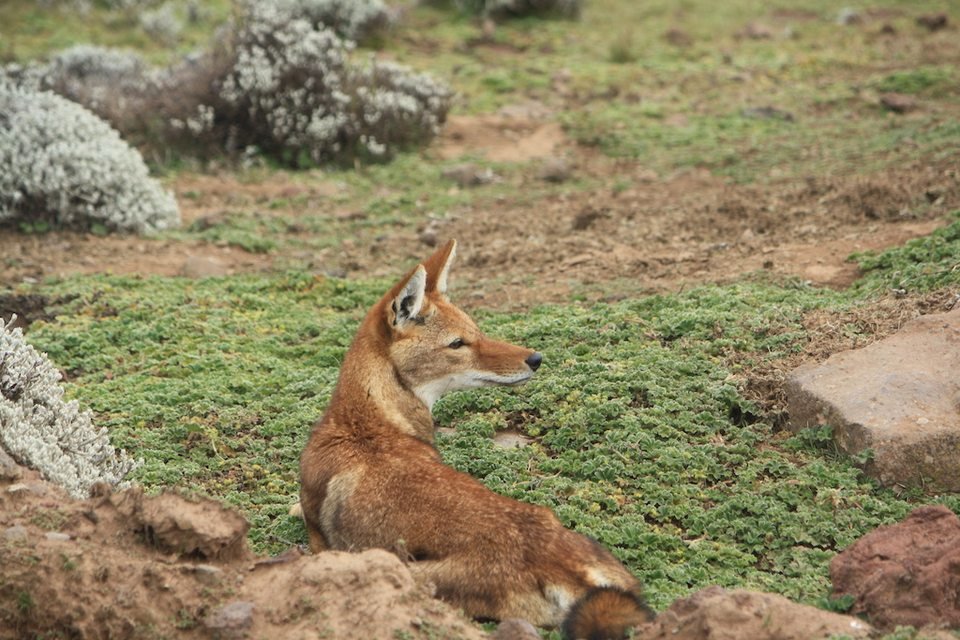
Sanetti: give the plateau enough time
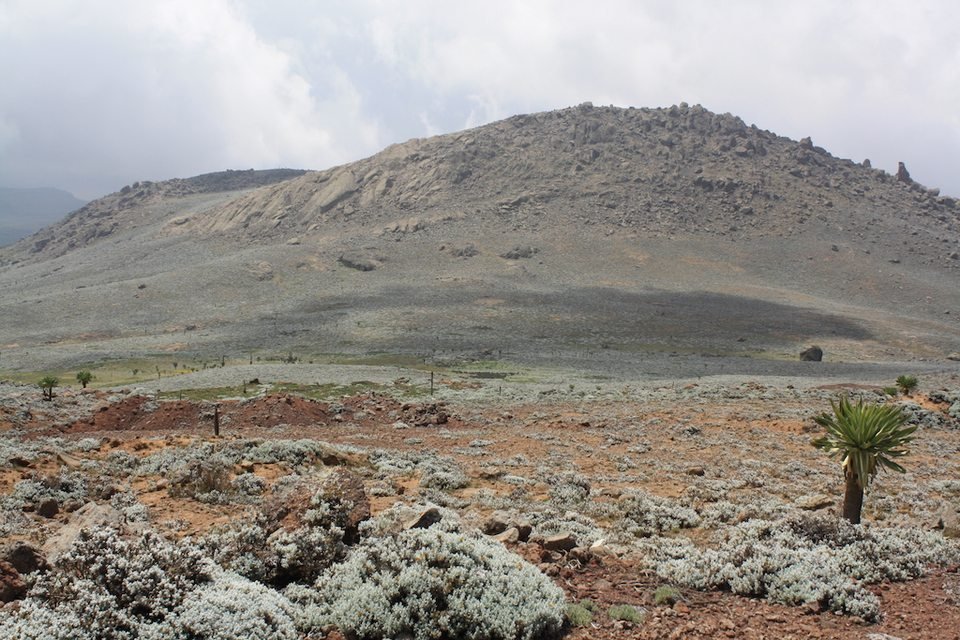
The park's suggested driving itineraries connect the Dinsho area with Sanetti and Harenna. Use them as geographic background rather than a current road report. On the plateau, the value of a vehicle is access between suitable observation points; it should not become a reason to hurry from animal to animal. Agree a patient wildlife approach and let sightings develop without blocking the road.
High terrain can be cold, windy or obscured even when lower settlements feel comfortable. Keep warm layers in the vehicle, and pack waterproof protection where it can be reached quickly. Do not leave a hat, glove or essential medicine buried in luggage stored beneath everyone else's bags. A plateau day should include a realistic place and time for eating, clear turnaround decisions and the option to shorten exposure when conditions change.
Seeing an Ethiopian wolf would be memorable, but no responsible itinerary can promise an encounter. Ask for sufficient observation time and qualified interpretation rather than a guaranteed photograph. Remain on permitted routes and do not approach dens, pursue animals or use food to attract them. A distant sighting through binoculars can be more appropriate than an intrusive close image.
Harenna and the forest side of Bale
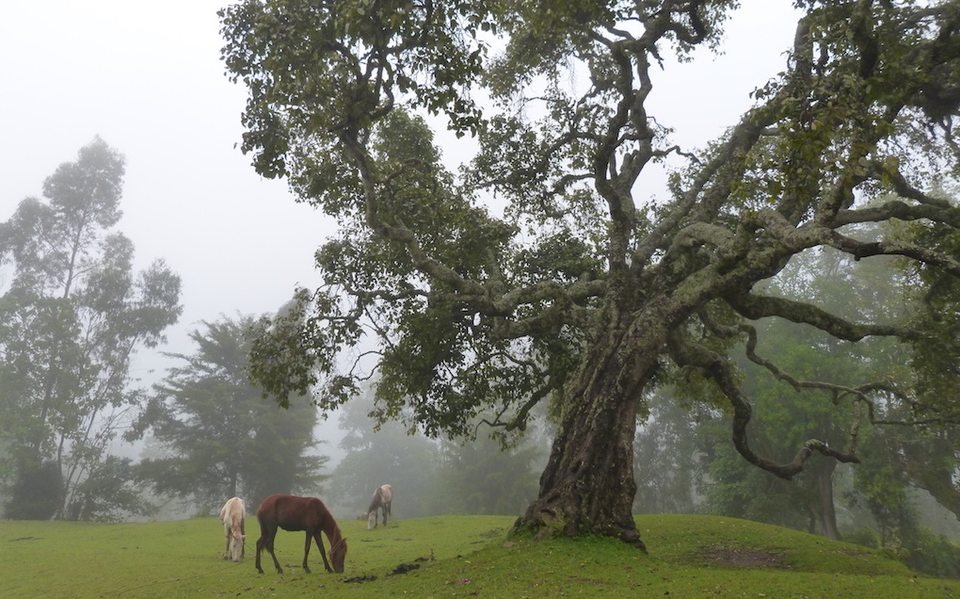
Consider a forest stay if your interests include quieter walking, vegetation, bird calls and patient observation. Forest wildlife may be heard or briefly glimpsed rather than displayed in open view. Set that expectation before choosing the itinerary. A guide who helps identify signs, sounds and ecological relationships can make a forest walk satisfying even when larger mammals remain unseen.
A journey down to Harenna and back should be planned as a substantial part of the route. If every night is spent on the northern side, repeated crossings may reduce the time available for actual activities. An overnight closer to the forest can change that balance, subject to a suitable property being available. Ask MUKA to compare the full driving schedule of alternative bases instead of selecting accommodation from photographs alone.
Driving visit or supported trek?
A driving visit suits travelers who want several environments without carrying overnight equipment between camps. Short walks can be added where permitted and appropriate. It still involves rough surfaces, repeated vehicle entry and potentially long periods away from convenient facilities. Request a description of the actual vehicle, luggage space and daily travel pattern. The term private tour says little about these details unless the proposal explains them.
A supported trek needs separate decisions about route length, camps, cooking, drinking water, toilets, equipment, guide support and evacuation arrangements. The park describes routes with multiple hours of walking and high elevations. Do not select a trek only by the number of days: ask about each day's ascent, descent, surface and expected time. If riding is proposed, obtain an honest assessment of riding experience, equipment, animal welfare and whether you can comfortably dismount and walk when required.
Getting to Bale and choosing a start point
Road travel from Addis Ababa and regional arrival arrangements must be planned against current access and transport services. Avoid assuming that a scheduled flight exists on your chosen date or that a short air journey eliminates the onward road transfer. Ask for a complete door-to-door sequence showing airport collection, baggage limitations if relevant and the final meeting point.
For a genuinely short itinerary, a local start in Robe or an agreed nearby base may be more workable than counting the approach from Addis as sightseeing time. Our four-day itinerary begins and ends at an agreed hotel in Robe. It does not include flights or a cross-country transfer unless a later quotation explicitly adds them. Travelers who prefer arriving by road should add appropriate travel days and avoid an inflexible international departure immediately afterward.
How many nights and which accommodation areas?
Three nights create a useful planning framework for a focused driving visit, although weather, interests and the chosen bases may justify more. One or two nights require a narrower scope. Choose one or two principal environments rather than promising the whole park. Extra time can be especially valuable when photography or wildlife watching depends on conditions that cannot be ordered in advance.
Compare Dinsho, Robe or Goba, and a forest-side stay as different logistical options. Ask about the distance to intended activities, heating or warm bedding, electricity, bathroom facilities and meal arrangements. A lodge label does not guarantee a particular standard. If changing hotels would complicate mobility or family travel, ask for a single-base version and accept that some more distant activities may need to be omitted. The park's visitor FAQ provides background on base stays and trekking, but its operational details require rechecking.
Weather and seasonal planning
Different elevations can experience quite different conditions on the same day. Plan for weather transitions within the itinerary, and ask MUKA how the dates affect tracks, walking surfaces and visibility. A simple dry-season label cannot guarantee an open road or clear summit view. Conversely, a wetter visit can still be worthwhile if the route is flexible and expectations match the activities possible.
Allow a contingency in the order of outings where accommodation arrangements permit. If a plateau forecast is poor, a guide may recommend a lower or shorter activity; the ability to change should be discussed before it becomes necessary. Pack layers that can be added individually, dry storage for cameras and a spare set of clothing. Keep footwear practical for the selected walk, rather than buying heavy trekking boots for an itinerary that only includes short excursions.
Physical demands and accessibility
High elevation matters even on a mostly vehicle-based trip. Discuss your planned elevations and personal health circumstances with a qualified travel health professional before departure. Ask MUKA for an itinerary that allows a sensible progression and a clear response if anyone feels unwell. Fitness at low elevation does not replace that discussion. The guide needs to know promptly if a traveler cannot comfortably continue.
For limited mobility, identify exactly which experiences can be enjoyed from accessible stops and which require uneven walking. Ask about vehicle steps, seat height, toilet access and the distance between a room and dining area. A trip should not be called wheelchair accessible without confirming the whole chain. Families should discuss children's tolerance for long drives, cold stops and quiet wildlife watching; shorter outings may create a much better day for everyone.
Conservation etiquette and practical preparation
Carry all personal litter back to an appropriate disposal point, including tissues and food scraps. Food waste can change animal behavior even when it appears biodegradable. Follow local rules on trails, camping and guides. Do not collect plants, rocks or animal remains. Ask before photographing people working or living near the park, and purchase craftwork through transparent arrangements when you choose to buy.
Before departure, confirm what the vehicle carries, which meals need advance ordering, how drinking water will be provided and where the group can obtain supplies. Offline copies of your itinerary and accommodation contacts are useful. Equipment such as binoculars may transform the visit more than another camera lens; ask whether you should bring your own. A specialist birding interest should be declared early so the guide and schedule can be appropriate.
Frequently asked questions
Is a summit climb necessary?
No. The short visit focuses on landscapes and wildlife with optional walking. A summit objective requires its own assessment of conditions and ability. You can enjoy a mountain environment without making the highest point the measure of success.
Will I definitely see wolves?
No. Time in appropriate habitat can create an opportunity, but weather and animal behavior remain outside the operator's control. Choose the journey for the wider landscape and interpretation as well as the possibility of wildlife encounters.
Can I combine Bale with the southern lakes?
Potentially, but the connecting travel belongs in the itinerary as real time. Ask for a route-specific proposal and current access review. Do not assume a straight line on a map is a comfortable transfer day.
Which short trip can I consider?
The four-day Bale local escape provides a starting framework for discussion. Ask our team about accommodation, park arrangements and transport for your dates.
Research sources
Reviewed by MUKA Ethiopia Tours · 15 October 2026.